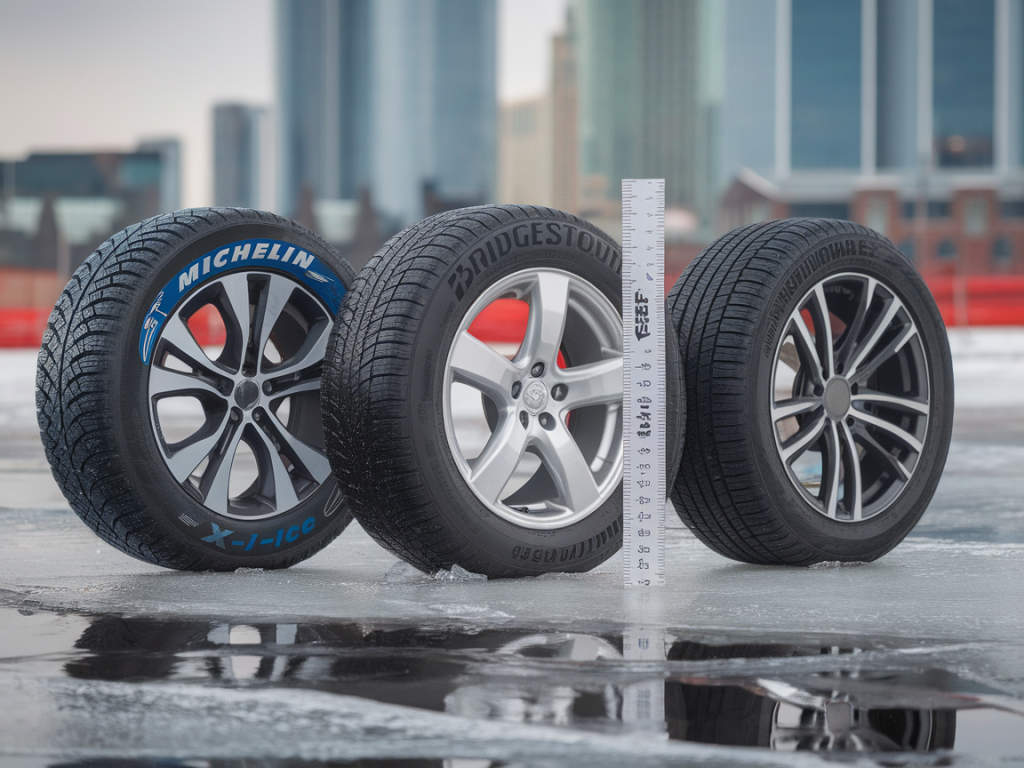
I buy winter tires the same way I approach any tool for the road: with real-world needs in mind. Living and driving in cities where icy patches show up in the shade, on bridges, and in overnight freeze-thaw cycles, I prioritize predictability, braking performance on ice, and a tire that doesn’t turn every winter commute into an anxious exercise. In this guide I compare three of the most common choices you'll see on shop shelves and forums — Michelin X-Ice, Bridgestone Blizzak, and Continental winter tires — and explain how to choose the best option for icy urban driving.
What matters for icy urban driving
Before we dive into brand comparisons, it helps to be clear about the conditions I’m optimizing for:
With those priorities, features that actually matter are tread compound formulation for low temperatures, siping and tread block design for ice bite, and the tire’s wet/ice braking ratings from independent tests. I also pay attention to rolling resistance (affects fuel/EV range) and treadwear — because I replace tires less often when they last.
How these three tires differ in purpose and design
Each tire has a slightly different design philosophy. Here’s the quick take I give readers when they're choosing:
Head-to-head comparison
Below is a simplified comparison based on typical test results, manufacturer claims, and my experience. Note that models and performance change year to year; check the latest reviews and the exact model (X-Ice Snow vs X-Ice North etc.).
| Ice braking | Snow traction | Wet grip | Treadwear/longevity | Price range | |
|---|---|---|---|---|---|
| Michelin X-Ice | Very good (balanced) | Good | Very good | Above average | Mid–high |
| Bridgestone Blizzak | Excellent (edge to Bridgestone) | Good to very good | Good | Average | Mid |
| Continental (WinterContact series) | Good | Very good | Excellent | Good | Mid |
My experience on city ice: three scenarios
Here are situations I encounter regularly and how each tire tends to behave.
Black ice at a traffic light: For me, the Blizzak often gave the shortest stopping distances in independent lab tests and in my own emergency-braking drills on iced-over parking lots. That bite on hard ice is what the Blizzak compounds are optimized for.
Patchy overnight freeze with slush halfway through: Continental’s tread pattern handles slush and water evacuation well; I felt more confidence in lateral grip during slow turns. Michelin isn’t far behind and feels more composed if you need to steer around a puddle or pothole mid-maneuver.
Everyday city commuting with mixed surfaces: Michelin’s X-Ice stands out for even wear and lower rolling resistance. If you commute daily but rarely get into deep snow, the X-Ice gives you strong winter safety without the trade-offs of aggressive winter compounds that wear faster on dry pavement.
Practical buying tips
Maintenance and real-world use
Winter tire performance isn’t only about brand. I keep these habits to maximize safety and life:
Final decision flow I use with readers
If you want, tell me the city you drive in, how many winter miles you do, and what car you have. I can recommend a specific model and size, and flag any installation or parking rules (studs, seasonal tire ordinances) that matter in your area.