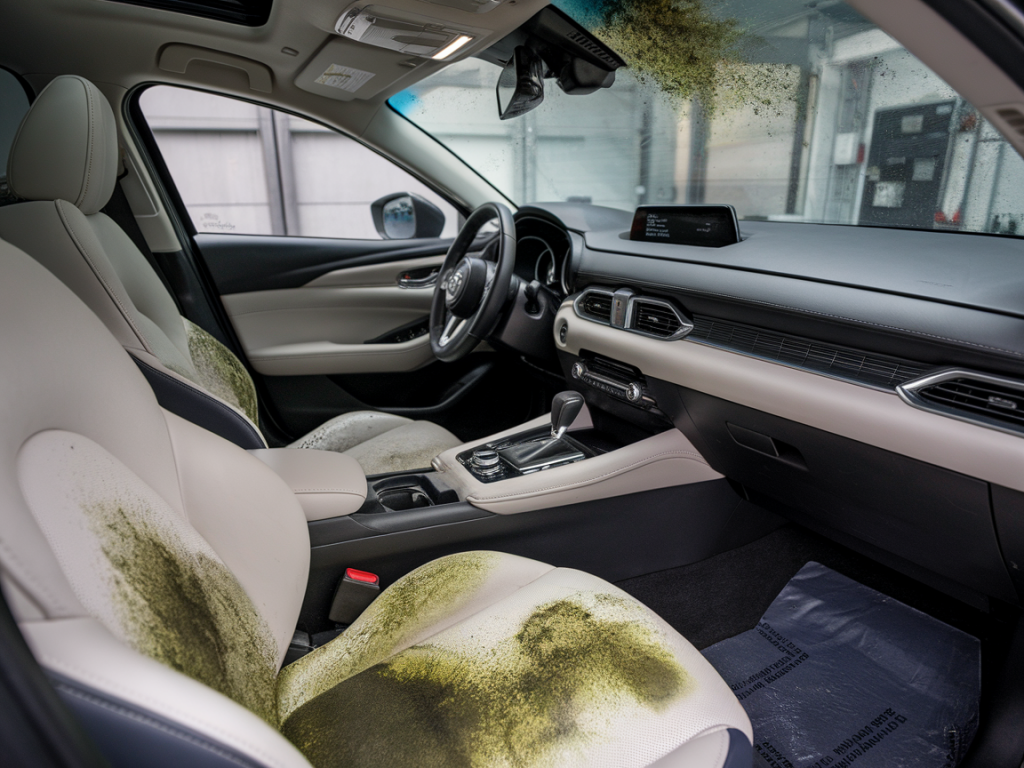
I bought a used Mazda last year and despite a good price and low miles, it came with a persistent moldy cabin smell that refused to go away. I tried the usual quick fixes—air fresheners, baking soda, opening the windows—but the funk kept coming back, especially after rain or when I ran the A/C. If you’re dealing with the same problem, here’s a practical, step-by-step approach I used to remove that stubborn musty odor without paying for professional detailing. I’ll walk you through inspection, targeted cleaning, HVAC treatment, and long-term prevention so you can get your Mazda smelling fresh again.
Start with a careful inspection
Don’t spray products blindly. First, find the source.
Take everything out of the car: floor mats, seat covers, trash, grocery bags, and anything hiding underneath seats.Smell systematically: start at the trunk and work forward. Sniff carpets, seats, headliner, under the mats, and the footwells. Pay attention to the strongest smell zone.Look for visible mold or water stains: check carpet seams, seat creases, trunk liner, and under the spare tire cover. Mold can hide behind trim panels and inside door pockets.Check the HVAC system: if the smell is strongest when you turn on the A/C or heat, the evaporator core or ducts may be contaminated. Also check the AC drain hose under the car for clogs that let water pool in the evaporator housing.Deep clean removable surfaces first
Once you know where the smell is coming from, remove and deep-clean everything you can. I like to work from the least invasive to more involved steps.
Vacuum thoroughly: use a high-suction shop vacuum with an upholstery attachment. Vacuum carpets, under mats, seat seams, and the trunk. Vacuuming can remove spores and particulate matter that hold odors.Wash and sun-dry mats and seats (if removable): rubber mats can be scrubbed with dish soap and a stiff brush. Fabric mats and seat covers should be washed per label instructions and dried in sunlight—UV helps kill spores.Use a steam cleaner for carpets and fabric seats: steam kills mold and lifts embedded dirt. Keep steamer passes light and don’t over-wet—excess moisture promotes mold if not dried quickly. If you don’t own one, many rental centers have compact steamers.Shampoo upholstery: choose a cleaner that’s safe for automotive fabric (I’ve used Chemical Guys Fabric Clean and Meguiar’s Carpet & Upholstery Cleaner with good results). Use a soft brush, then remove foam and moisture with the vacuum. Allow to dry fully with windows open or a fan.Treat leather and vinyl safely
If you have leather or vinyl, use a cleaner and conditioner rather than water-soaking. Leather can trap odor in cracks; gentle cleaners plus conditioning helps remove smell and protects material.
Target the HVAC system and evaporator
This step is critical if the smell is worst when the blower runs. Mold-friendly conditions often occur on the evaporator where moisture accumulates.
Replace the cabin air filter: a clogged or moldy filter can reintroduce odors. Use a genuine Mazda filter or a high-quality aftermarket unit.Run an evaporator cleaner or foam: products like Nu-Calgon Evap Foam or Turtle Wax A/C Evaporator Foam are designed to be sprayed into the HVAC intake vents (or directly into the evaporator case if accessible). Follow directions carefully—these kill and clear microbial growth.Use a fogger/atomizer for the ducts: an aerosol HVAC disinfectant (e.g., Lysol Disinfectant Spray, but choose a product labeled for HVAC/directional use) or a professional-grade fogger will reach deep into vents. Run the blower on high and set to recirculate so the fog circulates through the system.Clear the A/C drain: make sure the drain tube under the car is not blocked. A clogged drain lets water stagnate and feed mold. Use compressed air or a flexible wire to clear it gently.Use odor eliminators strategically
Masking agents are temporary; we want elimination.
Activated charcoal or carbon: place charcoal sachets under seats and in the trunk. They absorb VOCs and odors over several weeks.Odor neutralizers with enzymes: products like OdoBan, OdorX, or biological enzyme cleaners break down the organic material feeding mold smells. Use on carpets and upholstery.Avoid heavy perfumes or air fresheners as a primary solution—they hide the smell and can mix with mold odors, making matters worse.When to use ozone or UV—and the safety caveats
Ozone machines and UV-C devices can effectively remove odors, but they come with risks.
Ozone works by oxidizing odor molecules. It’s effective but hazardous to breathe—do not use ozone in occupied vehicles. Run the machine in a closed car for the recommended period, then air the car out for many hours afterward. Ozone can also fade fabrics and degrade rubber and plastics over time.UV-C light can help disinfect HVAC components but must be used with caution around plastics and electronics. UV will not remove embedded odors alone; it’s a supplemental tool.Products comparison
| Method | Cost | Effectiveness | Time to see results |
|---|
| Vacuum + shampoo | Low | High for fabrics | Immediate to 1 day |
| Steam cleaning | Low–Medium (rental) | Very high | Immediate |
| Evaporator foam/fogger | Low | High for HVAC smells | 24–48 hours |
| Activated charcoal | Low | Medium | Several days–weeks |
| Ozone machine | Medium–High (rental) | High but risky | Hours with airing |
Dry thoroughly and ventilate
After cleaning, dry is your friend. Mold needs moisture to return.
Park in sun and keep windows cracked when safe. Use fans or a dehumidifier in a garage if available.Run the A/C and heater on high with fresh air mode for 10–15 minutes daily for a few days to help dry the HVAC system and flush odors.Prevent the smell from returning
Tackle causes, not just symptoms.
Fix leaks promptly: inspect door seals, the windshield, and the trunk for water intrusion. Wet carpets = mold risk.Replace cabin filter regularly: every 12,000–15,000 miles or per Mazda’s maintenance schedule—more often if you drive in dusty or humid areas.Keep the drain lines clear and run the blower for a few minutes after using A/C to evaporate residual moisture.Use desiccant packs or charcoal pouches seasonally if you live in a humid climate.If you follow these steps in order—inspect, deep-clean removable surfaces, treat HVAC, and keep everything dry—you’ll remove most persistent musty smells without hiring a pro. If the odor still won’t budge after all of this, the issue may be behind trim panels or in the foam under seats, and at that point professional disassembly or an experienced detailer could be necessary. For me, a combination of steam cleaning, evaporator foam, and a week of charcoal sachets finally brought my Mazda back to neutral, clean-smelling territory.