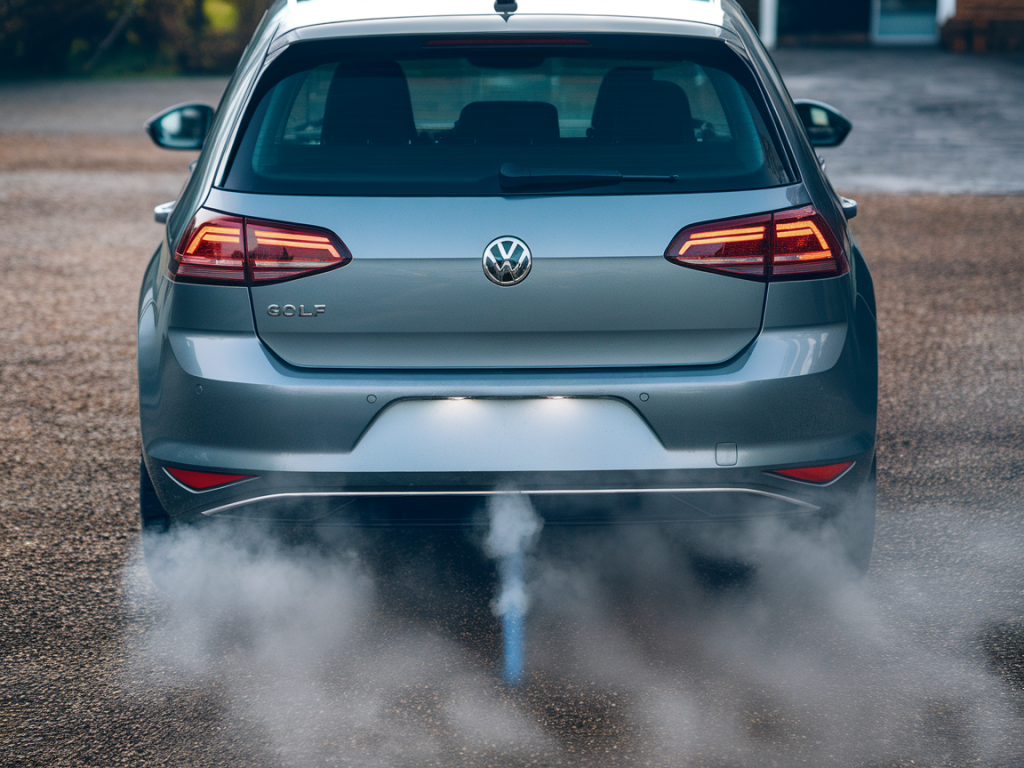
I get a lot of messages about diesel smoke on cold start — that huge blue or grey plume that looks dramatic and makes you wonder whether the turbo has finally given up. Before you spend thousands on a replacement turbo, there are a number of realistic, hands-on checks and fixes you can try. I’ll walk through the common causes of a cold-start smoke surge on a Volkswagen Golf diesel and give practical, affordable ways to reduce or stop it without immediately replacing the turbo.
What the smoke color tells you
Understanding the color helps narrow the cause:
- Blue smoke: oil burning. Likely oil getting into the combustion chamber.
- Grey smoke: a mix of oil and fuel, sometimes unburnt fuel or EGR-related soot.
- Black smoke: too much fuel / incomplete combustion — often injectors, turbo boost or air supply related.
On cold start the most common is blue or grey smoke from oil being drawn into the intake or poor ring sealing. On a VW TDI Golf, this can be from PCV/EGR issues, intake or intercooler oil contamination, weak compression, or injectors dumping too much fuel when cold.
Practical diagnostic steps before replacing the turbo
Don't guess — test. I follow these steps in order because they’re quick, inexpensive, and often point to the real problem.
- Check engine codes: use an OBD-II scanner (VCDS is ideal for VWs). Look for EGR faults, turbo actuator errors, MAF issues, or injector codes.
- Visual inspection: remove the intake hose between turbo and intercooler, and the intercooler endpipe. Look for oil pooling, thick black sludge or heavy wet oil residue.
- PCV / crankcase ventilation: a blocked or leaking PCV hose lets oil vapour enter the intake. Inspect hoses for cracks and blockages; a quick blow-through test with compressed air helps.
- EGR and intake valve carbon: a gummed-up EGR/intake can stop proper air flow and cause excess smoke. Tap the EGR valve and inspect for carbon build-up.
- Compression and leak-down: if rings are dead, you’ll see blue smoke but this tends to be persistent and worse as the engine warms. A compression or leak-down test helps diagnose worn rings or valves.
- Injector condition and balance: poor spray patterns or leaking injectors can produce unburned fuel and smoke on cold starts. Injector flow testing or swapping injectors can isolate a bad unit.
Common fixes you can do yourself or have a shop do cheaply
Here are the most effective non-turbo replacements steps that have helped me and readers:
- Clean or replace the PCV valves and hoses: remove, inspect and replace brittle hoses. For many VWs a clogged crankcase vent is the main culprit. Use OEM or high-quality aftermarket parts like MANN or Bosch hoses.
- Clean the intercooler and intake tract: intercoolers and intake piping trap oil and soot. Remove the intercooler, flush with a degreasing solvent (carb cleaner or dedicated intercooler cleaner) and let it dry. If the intercooler is heavily coked, professional ultrasonic cleaning may be needed. Don’t use water without fully drying.
- Decarbonise the EGR and intake manifold: for direct-injection VWs, EGR and intake ports can build heavy carbon. Remove the EGR, soak and scrape the gasket surfaces and use a dedicated intake cleaner. I’ve had great results with a manual cleaning rather than relying on chemical "remove and drive" products alone.
- Fit an oil catch can: inexpensive and effective for reducing oil vapour reaching the intake. Fit one between the crankcase vent and intake. Empty it regularly. Brands like Mishimoto or generic canisters work fine.
- Replace the thermostat and ensure correct operating temp: a stuck-open thermostat keeps the engine cold and can increase smoke on start. A new thermostat is cheap and can make a big difference.
- Check glow plugs and cold start systems: faulty glow plugs or cold-start enrichment can cause poor combustion. Test and replace any weak glow plugs.
- Injector cleaning or servicing: use a high-quality diesel injector cleaner or have injectors flow-tested. Additives like Liqui Moly Diesel System Cleaner or a professional ultrasonic cleaning can restore spray pattern and reduce cold-start smoke.
- Fuel pressure and sensor checks: a failing fuel pressure regulator or MAP/MAF sensors can lead to over-fueling. Verify sensor readings with a scan tool; clean or replace MAF if contaminated (use MAF cleaner).
- Address oil consumption sources: replace worn valve cover gaskets, turbo inlet hoses, or other seals that allow oil into the intake. Sometimes simply replacing a perished silicone intake hose stops a lot of oil ingress.
When the turbo might still be involved (but replacement isn't the only option)
Yes, a worn turbo seal will let oil into the intake, producing blue smoke at cold start. But you can often manage this without replacing the turbo straight away:
- Clean the compressor housing and check the shaft play: remove the intake hose and spin the compressor by hand. Large axial or radial play suggests worn bearings. Minor play can often be tolerated if oil is not actively leaking.
- Replace turbo oil return hose and clamps: blocked or partially restricted returns cause oil to accumulate in the compressor housing — replacing those hoses and clearing the return path often helps.
- Fit a turbo oil drain restrictor (temporary): rare and typically not recommended long-term, but it’s a diagnostic/temporary measure some shops use to check if leak pressure is the cause.
Maintenance plan and tools checklist
Here’s a quick table I give readers to follow as a maintenance plan. Do things in this order to save time and money.
| Step | What to do | Estimated cost |
|---|---|---|
| 1 | Scan for codes + visual inspection | $0–$50 (scanner) |
| 2 | PCV hoses & block cleaning | $10–$60 |
| 3 | Intercooler and intake clean | $0–$150 (DIY vs shop) |
| 4 | Injector cleaning / test | $50–$300 |
| 5 | Install catch can + replace hoses | $30–$150 |
Tips from the garage
I always keep a few habits that reduce cold-start smoke: use a high-quality low-SAPS oil if your VW requires it, avoid cheap oil that increases blow-by, run a proper diesel service and get injectors serviced early. If you park in very cold climates, consider using a coolant heater or block heater to reduce cold-start enrichment and smoke.
If after checking intake, PCV, injectors, sensors and cleaning the intercooler you still see heavy blue smoke at cold start, the turbo seals may indeed be at fault. At that point, you have options: repair the turbo (rebuild) or replace it. But you’ll have done the due diligence — and often these cheaper interventions will fix most cold-start smoke issues on a VW Golf diesel.