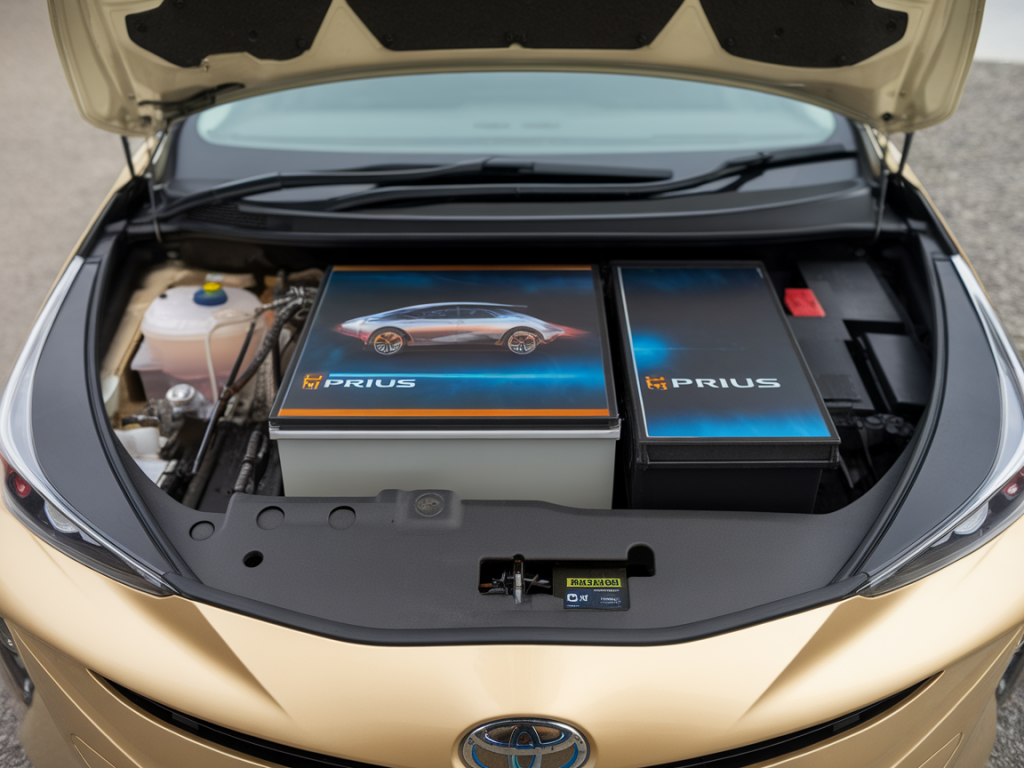
I get a surprising number of messages asking the same question: “Which used hybrid battery pack in a Toyota Prius will last the longest, and how much should I expect to pay to replace it?” I’ve worked on dozens of hybrids in my own garage and coordinated repairs with shops, so here’s the real-world, no-nonsense answer you won’t always get from classifieds or sales pitches.
Short answer up front
If you want the longest-lasting used pack, look for a late-model NiMH pack (common on most Prius trims through the mid-2010s) with documented low module voltage spread and a service/rehab history, or a professionally rebuilt pack from a reputable rebuilder that offers a decent warranty. Expect to pay roughly $300–$1,200 for a used or salvaged pack, $800–$2,000 for a professionally rebuilt/refurbished pack, and $3,000–$7,000 for a new OEM replacement installed — prices vary by generation and region.
Understanding the chemistry and why it matters
Most Prius cars use nickel-metal hydride (NiMH) packs up through many model years; Toyota started using more lithium-ion packs in some Prius variants and the Prius Prime plug-in models later on. From a longevity standpoint:
For used purchases, NiMH is usually the safer bet if your priority is durability and predictability.
Which Prius generations are most durable?
Here’s a quick comparison that I use when checking listings and talking to sellers:
| Prius Generation | Years (typical) | Battery Type | Real-world lifespan |
|---|---|---|---|
| 1st gen | 1997–2003 | NiMH | 10–15+ years; packs can be tired but are simple to rebuild |
| 2nd gen | 2004–2009 | NiMH | 10–15+ years common; many reach 200k miles |
| 3rd gen (ZVW30) | 2010–2015 | NiMH (most) | Often 150k–250k miles if maintained; good balance of tech & durability |
| 4th gen (ZVW50) | 2016–2022 | NiMH or Li-ion (varies) | Variable — newer, but some models use smaller Li-ion packs |
My experience: a well-kept 2010–2015 Prius with its original NiMH pack often outlives other used hybrid packs in similar mileage cars. That’s not a guarantee, but it explains why these cars remain popular on the used market.
Signs a hybrid battery is healthy — what I check
When I inspect a used Prius or a replacement pack, I want hard numbers and a clear history. Key things to check:
Testing a used battery pack — tools and thresholds I use
I bring or ask sellers to provide module-level data. You can use Toyota Techstream, Dr. Prius (with an OBD2 Bluetooth adapter), or a shop that will run a hybrid battery test. Look for:
If the seller won’t provide a module scan, consider it a red flag — budget for a rebuild or factor replacement costs into your offer.
Replacement options and realistic costs
When a Prius battery finally gives up, you generally have three options:
Labor typically runs 2–6 hours depending on model and shop rates. If you’re comfortable with basic mechanical work, swapping packs in a Prius is doable in a home garage with the right tools and safety precautions, and you can save a lot on labor.
Where I buy used or rebuilt packs (brands and sources I trust)
I personally use or recommend established hybrid-rebuild shops and sellers that provide module-level test reports and a warranty. Examples I’ve used or vetted include local independent hybrid specialists and national rebuilders such as Hybrid Battery Repair shops, Rebuilder accounts on marketplaces, or Toyota dealerships that offer remanufactured packs. Look for:
How to get the longest life from a used pack
If you buy a used or rebuilt pack and want it to last, do these things:
Final practical tips I tell readers
If you’re shopping used, prioritize documentation and numbers over anecdotes. A seller saying “battery replaced” means nothing without a receipt, warranty, or module data. If the price for a used car looks too good because “battery might need replacing soon,” add the replacement or rebuild cost to your math so you aren’t surprised.
When in doubt, get a shop to run a battery health report before buying. For many buyers the best value is a Prius with the original NiMH pack that shows a low module spread — those often deliver years of reliable service at a reasonable price point.