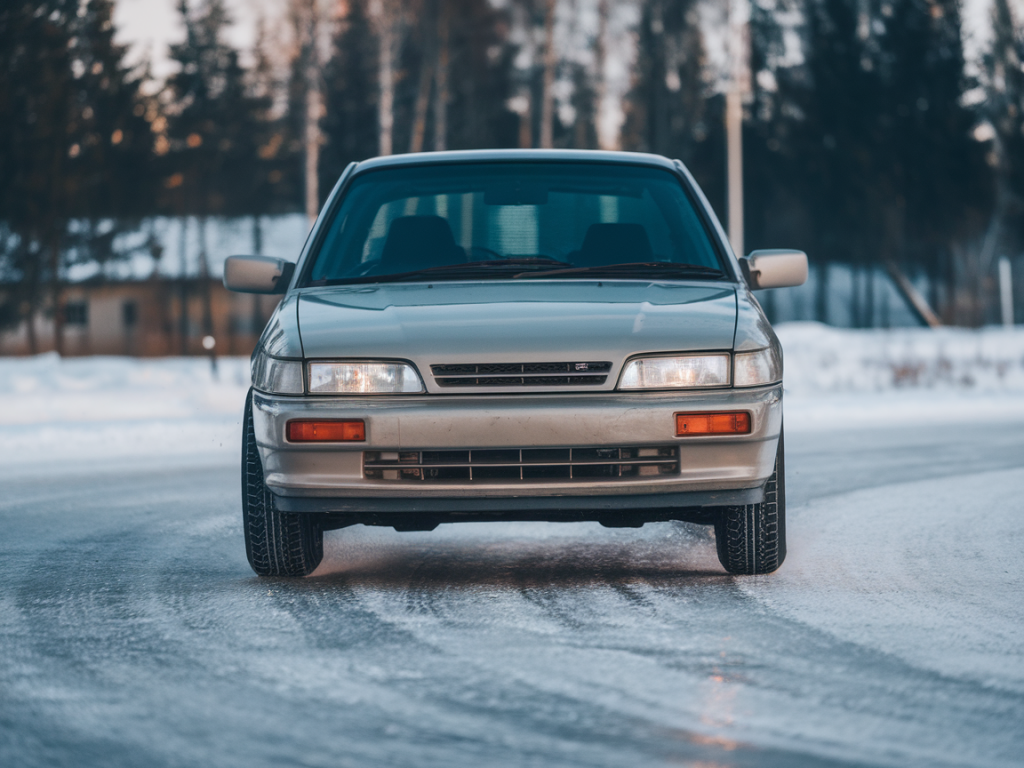
Winter changes everything about driving a front-wheel-drive (FWD) car. Grip levels fall, visibility drops, and the way your car behaves in a turn or on a slope can surprise you — often at the worst possible moment. Over the years I've lived through black ice moments, controlled slides in empty lots, and countless trips where good preparation made the difference between a calm arrival and a costly repair. Below I share practical, hands-on techniques I use and recommend to keep FWD cars out of skids and off tow trucks this winter.
Understand how FWD cars behave in winter
Before diving into techniques, it helps to know what a FWD layout does for you and what it doesn’t. With the engine and driven wheels at the front, FWD cars typically benefit from better traction under acceleration in slippery conditions because the weight over the front axle helps the front tires bite. But that same bias can create strong understeer — the tendency for the car to go straight when you want to turn — when cornering on low-grip surfaces. Rear-end slides (oversteer) are less common, but when they happen they can be sudden, especially if the rear axle is lightly loaded.
Start with tires — the most important upgrade
I can’t stress this enough: winter tires transform a FWD car. They’re the single best investment for safety and reducing repair risk.
| Recommended winter tire pressures | Notes |
| Front tires | Follow placard, but check weekly — cold drops pressure ~0.2–0.3 bar / 3–5 psi per 10°C |
| Rear tires | Same as front; don’t overinflate to compensate for light rear weight — this reduces grip |
Driving techniques to prevent understeer and skids
These are the go-to methods I practice. I recommend rehearsing them in a safe, empty area if you can: a large parking lot or a closed course on a cold day.
What to do if you start to skid
Skids occur despite precautions. The response depends on the type of skid.
Using electronics: traction control and stability systems
I usually keep traction control (TCS) and ESC on for winter driving. They intervene early to prevent wheelspin and excessive yaw. In some deep snow or when trying to rock a car out of a ditch, switching TCS off briefly can help, but don’t leave it disabled on wet or icy roads. Learn how your car’s systems behave — some cars have sport modes that delay intervention, which is not ideal for winter.
Techniques for hills, intersections, and parking
Load and weight distribution
Adding moderate weight in the cargo area behind the rear axle can improve rear grip in a FWD car (especially wagons or hatchbacks). I typically carry a small bag of sand or a 20–30 kg (44–66 lb) trunk bag during long winter trips. Don’t overload — too much weight worsens braking and steering.
Maintenance checklist before winter
Prevention saves time and money. I run through this checklist every autumn and again mid-winter.
Emergency gear to keep in your FWD car
Being prepared reduces panic, repairs, and roadside time.
Practice and mindset
Finally, the best tool is calm judgment. I rehearse slow-speed maneuvers in safe conditions and develop a feel for the limits of my tires. In traffic or on unfamiliar roads I deliberately lower my speed and increase following distance. When everyone else is rushing, I remind myself that arriving safely — without the costly repairs or insurance claims that follow a skid or collision — is the point.
Winter driving in a front-wheel-drive car is manageable with the right tires, smooth technique, and a few practical upgrades. A little preparation and practice go a long way toward avoiding the kind of incidents that lead to bent wheels, damaged suspension, or worse. Drive cautiously, keep your car winter-ready, and you’ll reduce the odds of a skid turning into a costly repair.