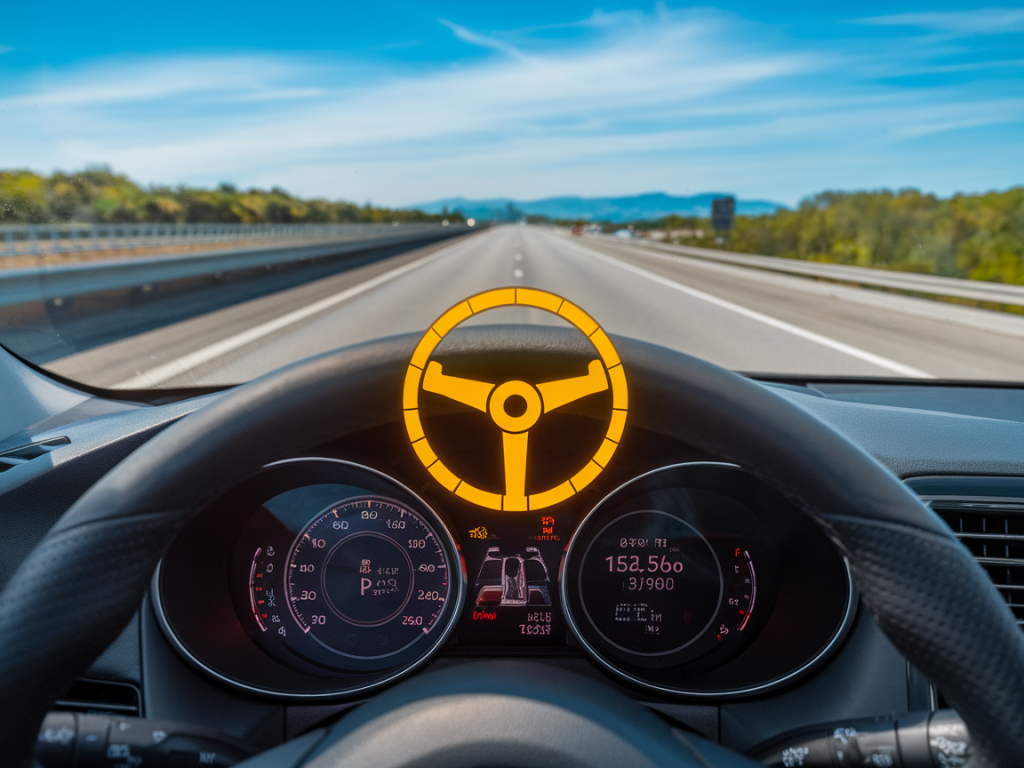
I remember the first time a check engine light started flashing on me while I was merging onto the highway — that instant adrenaline rush and the frantic scanning of the dashboard. A blinking or flashing check engine light is one of those signals you shouldn't ignore. In my experience working on cars and coordinating repairs, a steady light is usually something you can schedule for a shop visit; a blinking light under acceleration often means your engine is misfiring and, left unattended, can cause immediate and expensive damage.
Why a check engine light blinks under acceleration
When the check engine light (CEL) blinks — especially during acceleration — the car’s computer (ECU) is telling you it's detecting a severe misfire or a condition that could damage the catalytic converter. The ECU monitors engine performance constantly. If it detects combustion that isn't occurring properly in one or more cylinders, unburned fuel can enter the exhaust system. That fuel ignites inside the catalytic converter and creates excessive heat, which can melt the catalyst substrate. That’s why a blinking light is considered urgent.
Common technical reasons I see that cause a blinking CEL under load include:
Acceleration places higher demands on the engine: more fuel, more spark, tighter timing. That’s why some problems only show up, or become severe, when you push the car hard — the conditions that cause the CEL to blink.
Which trouble codes mean immediate danger?
An OBD-II code will point you in the right direction. When you see a blinking light, the first step is to pull the codes — either with a basic OBD-II reader or a smartphone adapter like BlueDriver or an aftermarket scanner from Autel. Here are the codes I consider high priority (immediate danger) and why:
| Code | What it means | Why it’s urgent |
|---|---|---|
| P0300 | Random/multiple cylinder misfire detected | Indicates widespread misfires; unburned fuel can overheat the catalytic converter quickly. |
| P0301–P0308 | Misfire detected in specific cylinder(s) | Pinpoints the cylinder; continuing to drive risks internal engine damage and catastrophic cat failure. |
| P0135–P0167 | Oxygen sensor/circuit faults (ex. O2 heater circuit) | Affects fuel trimming and combustion; can lead to long-term engine and emissions damage under load. |
| P0420 / P0430 | Catalyst system efficiency below threshold | Indicates catalytic converter problems; with misfires, this can worsen fast. |
| P0100–P0104 | Mass air flow (MAF) or intake airflow issues | Bad airflow readings can cause severe running issues at high load. |
| P0110–P0115 | Intake air/temperature sensor faults | Incorrect fueling under acceleration may lead to misfires or detonation. |
Some other codes aren’t immediate emergencies but should still be addressed promptly. Any misfire code is top priority because of the catalytic converter risk. Codes that indicate lean conditions (P0171, P0174) during acceleration also deserve quick attention.
What to do immediately if your CEL is flashing while accelerating
Stay calm and take safe actions. Here's what I do and recommend:
Fixes I frequently recommend or perform
Once you’ve identified the code, the next steps vary. Here are practical steps, ordered from simplest to more involved:
Tools and parts I recommend keeping handy
When in doubt, if the CEL is flashing, don’t risk driving it hard. A tow to a trusted mechanic or your home garage is the smarter, cheaper route compared with a ruined catalytic converter or internal engine damage. I prefer transparent repairs: start with proper diagnostics, swap and test components logically, and avoid throwing parts at the car without confirming the cause.
If you'd like, I can walk you through a step-by-step diagnostic checklist tailored to the code you pulled from your car, or recommend scanners and tools to keep in your glovebox. Tell me the make, model, year, and the OBD-II code and we’ll figure out the next safest step together.