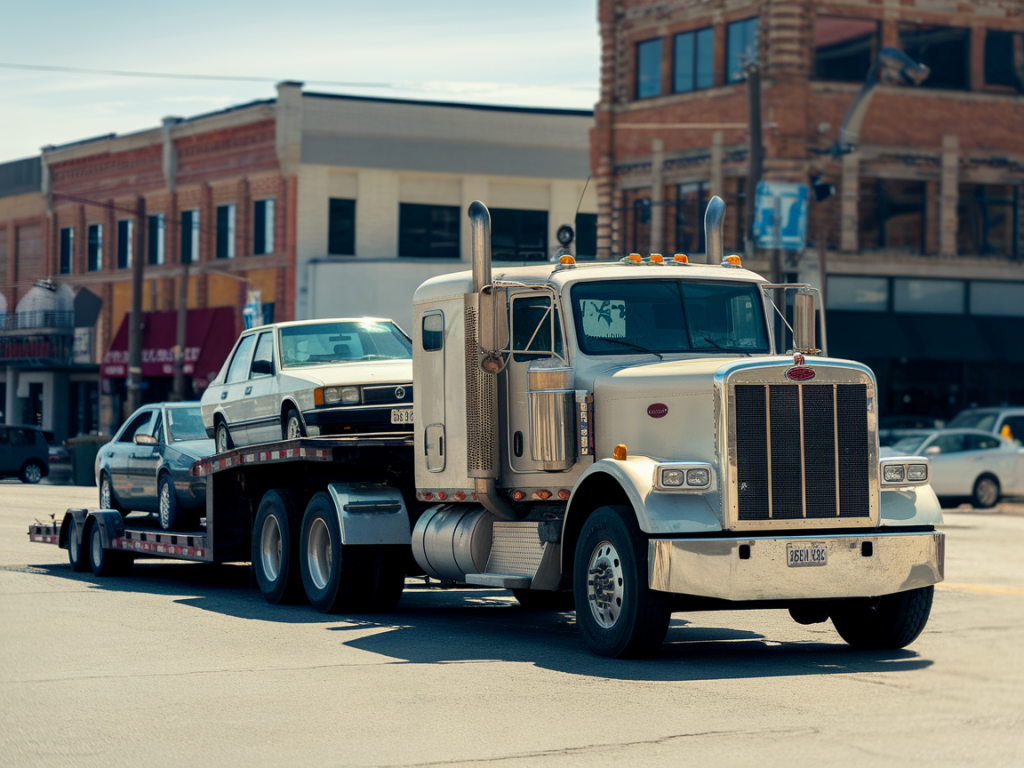
I tow a lot — boats, trailers, sometimes a load that pushes my SUV closer to its gross vehicle weight than I’d like. Over the years I’ve learned the hard way that a soft, spongy brake pedal under load isn’t just uncomfortable: it’s dangerous. The good news is that choosing the right brake fluid and maintaining the system correctly stops most pedal fade issues before they start. Below I walk you through how I pick brake fluid for heavy towing, what to watch for, and exactly how to avoid a soft pedal when the trailer’s on the hitch.
Why brake fluid matters more when you tow
Brake fluid transmits force from the pedal to the calipers and wheel cylinders, and it also operates inside an environment that gets hotter when you’re towing heavy loads. When brakes heat up, low-quality or old fluid can boil. Boiling creates vapor bubbles that compress — and that’s exactly why your pedal feels soft or goes all the way to the floor. For towing, you need fluid that resists boiling under repeated heavy use.
Key properties to look for
When I pick a fluid, I focus on a few critical properties:
Dry boiling point: This is the temperature at which brand-new, unopened fluid will boil. For heavy towing I look for a dry boiling point well above 500°F (260°C) — typical DOT 4 and DOT 5.1 higher-grade fluids fall in this range.Wet boiling point: This is more important in the real world. Brake fluid absorbs moisture over time (it’s hygroscopic), and the wet boiling point is measured after the fluid contains a small percentage of water. Wet boiling point declines much more rapidly; pick a fluid with a wet boiling point you trust.Compatibility with seals and ABS: DOT 3, DOT 4, and DOT 5.1 are glycol-based and compatible with most systems and ABS modules. DOT 5 (silicone) is not compatible with glycol-based systems and can cause problems in systems designed for glycol fluids.Corrosion inhibitors and stability: Higher quality fluids include additives that protect internal components and keep boiling behavior stable over time.DOT ratings explained in practice
Here’s a quick comparison that I keep in mind when shopping:
| DOT Type | Base | Typical dry boiling point | Notes for towing |
| DOT 3 | Glycol | ~205–280°C (401–536°F) | OK for light towing; absorbs water quickly. Not ideal for heavy repeated braking. |
| DOT 4 | Glycol (higher boiling additives) | ~230–270°C (446–518°F) | Common choice. Better boiling than DOT 3; many OEM recommend it. |
| DOT 5.1 | Glycol (formulated for high performance) | ~260–300°C (500–572°F) | Best choice for heavy towing and high-heat use. Compatible with ABS. |
| DOT 5 | Silicone | Very high dry boiling | Not compatible with ABS/glycol systems; does not absorb water — can cause pockets of moisture. |
My rule of thumb for heavy towing
If I expect frequent heavy braking — long downhill runs, heavy trailers, or towing in mountains — I usually upgrade to DOT 5.1 or a high-spec DOT 4 racing brake fluid. DOT 5.1 gives a higher wet boiling point and less risk of vapor lock. I avoid DOT 5 silicone unless the vehicle was designed for it (most passenger vehicles are not).
Brands and products I trust
I’ve used several brands and found consistent performers:
ATE Super DOT 4 Racing — often recommended in European cars; good balance of boiling point and compatibility.Motul RBF 600/RBF 660 — racing-level DOT 4/5.1 fluids with high boiling points. Great for extreme load and track use, but change intervals should be more frequent if used daily.Castrol React Performance DOT 4 or DOT 5.1 — solid OEM-level option with good corrosion protection.Valvoline DOT 4 Synthetic Brake Fluid — a practical, budget-friendly choice with respectable wet boiling points.Pick a brand you can verify; buy sealed bottles from reputable shops to avoid contaminated fluid.
How often to flush and why I do it more often when towing
Moisture accumulation is the enemy. I flush brake fluid at least every 2 years for normal driving, but if I tow regularly I drop that interval to 12 months. If you tow heavily or live in a humid climate, consider flushing every 6–12 months. Signs fluid needs replacement include dark color, spongy pedal, or if you’ve never changed the fluid since buying the vehicle.
Changing or upgrading fluid—step-by-step (what I do)
When I swap fluid or upgrade for towing duty, I follow a careful procedure:
Check the owner’s manual: find the manufacturer’s recommended DOT rating and any special notes about compatibility with ABS or stability control systems.Choose the right fluid: pick DOT 5.1 or a high-spec DOT 4 with a high wet boiling point if you tow a lot.Flush, don’t just top up: if switching types (e.g., DOT 4 to DOT 5.1) it’s best to flush the entire system. Same for dirty or old fluid. Topping up can leave old low-boiling fluid in the lines.Bleed brakes properly: I use the sequence recommended by the manufacturer (often starting with the wheel farthest from the master cylinder). For vehicles with ABS, I follow the OEM bleeding procedure — sometimes the ABS module needs activation with a scan tool to fully purge air.Check reservoir condition: clean the reservoir cap and check the sensor. Replace cracked caps or dirty reservoirs before refilling.Test under controlled conditions: after bleeding, I test braking in a safe area with a light load, then under increasing load and on a slight downhill to check for fade.Other mechanical checks to prevent soft pedal under load
Even the best brake fluid can’t correct mechanical limitations. I always inspect:
Brake pad and rotor condition — glazed pads, thin pads, or warped rotors make fade worse.Brake hardware — sticking calipers or collapsed flexible hoses can create pedal issues. Old rubber hoses can expand under pressure; replace them with braided stainless lines if you’re planning heavy towing for long-term reliability.Master cylinder and proportioning valve — internal wear or incorrect biasing can cause a soft pedal. If the pedal progressively sinks, suspect the master cylinder.Trailer brake setup — electric trailer brakes need correct controller settings. Hydraulic surge brakes must be properly adjusted and bled.Extra tips from my towing experience
Use a high-quality brake controller for electric trailer brakes — it helps keep the vehicle and trailer in balance and reduces the need for emergency heavy braking.Downshift and engine brake on long descents — reduce heat buildup in the wheel brakes.If you’re hitting mountains often, add a temperature monitoring routine: if you notice repeated fade, stop, let brakes cool, and inspect fluid/wheel components.Carry a spare bottle of the correct brake fluid sealed in your trailer kit. It won’t fix vapor lock on the road, but it’s handy for topping off before a long run.Choosing the right brake fluid is a practical decision with safety consequences. For me, that means DOT 5.1 or a high-performance DOT 4 for heavy towing, strict flush intervals, and watching the rest of the braking system closely. Do that, and you’ll avoid most of the common causes of a soft pedal under load.