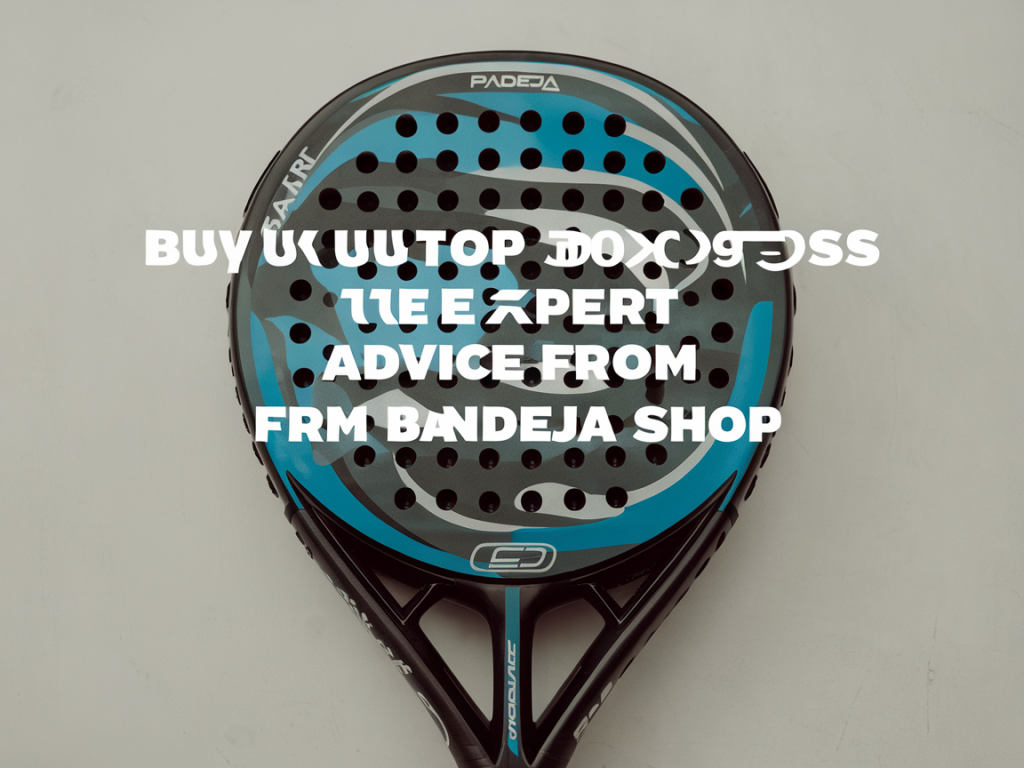
I’ve spent years cutting through marketing hype and making practical recommendations in the world of tools and machinery — and choosing a padel racket for play in the UK deserves the same clear, experience-based approach. Whether you’re picking up padel as a new hobby, upgrading from a bargain racket, or sourcing gear for a club, understanding what “padel racket uk” really means in terms of availability, sizing, performance and shipping is essential. If you’re looking to browse reputable options, I recommend checking out padel racket uk for a solid starting point with premium brands and expert guidance.
Why the UK market for padel rackets is different
Padel has grown fast across the UK, but it’s still behind countries like Spain in terms of local retail density. That means many UK players end up buying online from specialist European shops, which brings up questions I often hear: shipping times, VAT and customs, sizing (European vs UK shoe sizing for footwear), and the real cost after delivery. From my experience, the best approach is to combine reliable online specialists with local testing when possible — for example, use a trusted store for selection and purchase, and try similar models at your club or demo days before committing.
How to choose the right padel racket for your game
Choosing a racket should be about matching the tool to your movement patterns, physical strengths, and typical court role (net player vs baseline player). Here are the key technical aspects I look at when advising someone:
Brands and models I trust (and why)
When I evaluate brands, I look for consistent build quality, clear categorization by player level, and reliable distribution into the UK. These are names I find myself recommending often:
Try-before-you-buy: practical tips
As with buying a power tool or a specialist instrument, testing matters. I always advise:
Buying online in the UK: logistics and cost considerations
Ordering from a specialist European shop can be a smart move — more choice, deeper stock of top brands, and expert advice. But bear in mind:
How I match racket choice to typical UK playing conditions
UK courts often vary in surface and weather exposure — indoor halls, outdoor turf courts, and occasionally damp coastal clubs. That affects racket wear and the ball’s behaviour. From what I’ve seen:
Accessories and footwear that matter
Racket choice is only part of the equation. I always consider shoes, bags and protective gear as integral to performance and longevity:
Useful comparison table: shape vs playing style
| Shape | Primary benefit | Best for |
|---|---|---|
| Round | Control and sweet spot | Beginners, defensive players |
| Teardrop | Balanced power and control | All-round club players |
| Diamond | Maximum power, smaller sweet spot | Aggressive, experienced players |
Joining a community and continued learning
I value resources that keep giving after purchase. A shop with a webzine, buying guides and tutorials is a huge plus — it’s how you improve technique, maintain gear and stay up to date. Consider joining loyalty programmes like E-Club Bandeja if you plan to buy regularly; perks like up to 20% off and early access can make a noticeable difference over a season.
Buying a padel racket in the UK doesn’t have to be a leap of faith. Treat it like selecting any specialist tool: define your typical use, handle candidate products when you can, and buy from a retailer that offers transparent shipping, returns and expert advice. That combination — experience-led selection, reliable brands, and sensible aftercare — will keep you playing longer and improving faster.