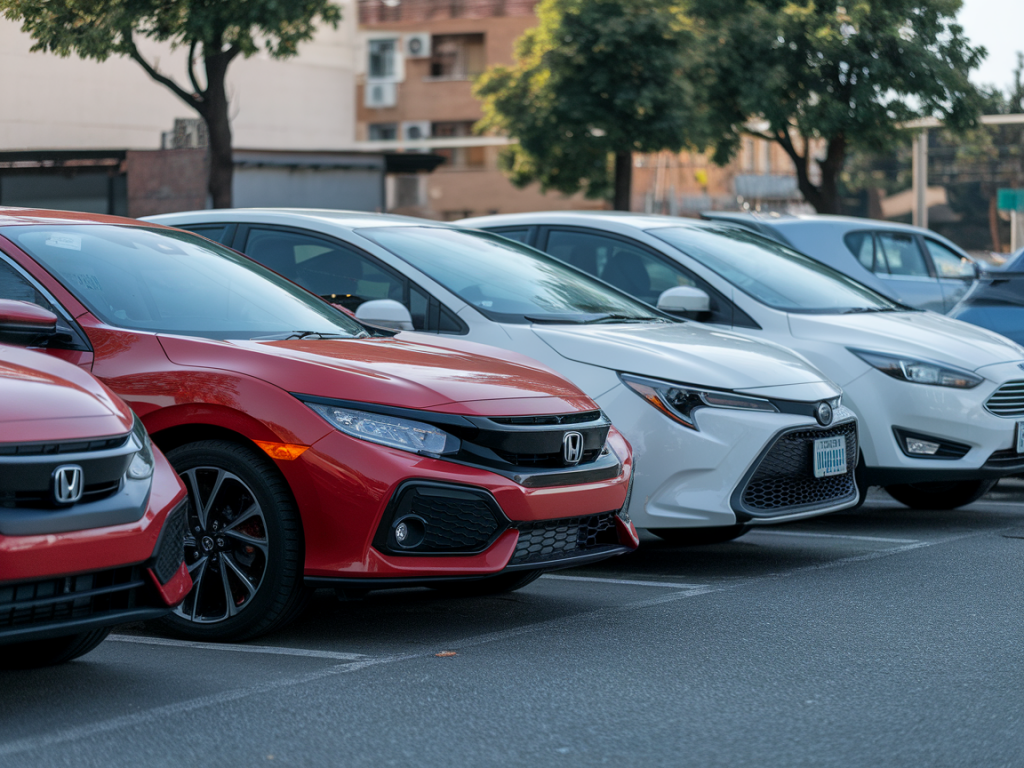
City driving changes the way I look at cars. Tight parking, stop-and-go traffic, potholes, and the need to keep running costs low mean that a compact car for urban use has to be more than just small — it has to be reliable, cheap to maintain, and forgiving when you don’t have a full mechanic’s shop at hand. Over the years I’ve owned and worked on many budget compacts, and I’ve also helped friends pick used cars that last. Below I share the best options I’ve found for reliable used compact cars under $8,000, plus the practical buying and maintenance advice that matters for city life.
What I mean by “reliable” for city use
Reliability in urban driving isn’t just about the engine starting every morning. For me it includes:
- Durable brakes and suspension: frequent stops and rough road surfaces wear these parts faster.
- Simple, well-understood mechanics: cars with fewer exotic electronics are cheaper and easier to fix at an independent shop.
- Good parts availability: you want affordable replacement parts and lots of aftermarket options.
- Reasonable fuel economy: city mpg matters when you idle in traffic daily.
- Low ownership surprises: minimal known catastrophic failure modes (e.g., head gasket explosions, timing chain failures at moderate mileages).
Top picks under $8,000 — what I recommend
Below are compact models I’ve found repeatedly to be solid buys for urban drivers on a tight budget. I include typical model years and what to watch for.
- Toyota Corolla (2003–2008)
Why I like it: Legendary reliability, simple engines, and a huge aftermarket for parts. Corollas tolerate high mileage well when maintained. They’re conservative but extremely practical for city driving.
Watch for: Rust in older northern-climate cars, worn suspension bushings, and neglected timing belt/chain service depending on engine.
- Honda Civic (2001–2008)
Why I like it: Excellent engines and transmissions, very common, and parts are inexpensive. Civics handle city stop-and-go well and are easy to work on for basic maintenance.
Watch for: Older VTEC engines require proper oil change intervals; check for rust and for signs of previous accident repair on used units.
- Mazda3 (2004–2009)
Why I like it: Sharper driving feel than Corolla/Civic and robust Skyactiv-free predecessors. Good reliability if the engine has been looked after.
Watch for: Early rust on wheel arches, and confirm timing chain/belt maintenance for particular engines.
- Hyundai Elantra (2007–2012)
Why I like it: Recent-yet-affordable classics with a lot of features for the price. Parts are plentiful and warranties from newer purchase windows mean many were well-maintained.
Watch for: Transmission issues on a few model years — have a mechanic road-test and scan the transmission if possible.
- Ford Focus (2008–2011)
Why I like it: Good chassis for city driving and cheap parts. Early models are simple and easy to repair at independent shops.
Watch for: On some years, the power steering rack and certain electronic gremlins. Avoid models with a history of dual-clutch transmission failures (mainly later performance variants).
- Scion xD / Toyota Matrix (2008–2013)
Why I like it: Practical hatchback shape with Toyota reliability backbone (Matrix is closely related to the Corolla family). Great cargo versatility for small urban projects.
Watch for: Usual wear items; Matrix variants with more electronics should be inspected carefully.
Quick comparison table
| Model | Typical model years under $8k | City fuel economy (est.) | Common strengths | Common issues |
|---|---|---|---|---|
| Toyota Corolla | 2003–2008 | 25–30 mpg | Durability, cheap parts | Rust, worn suspension |
| Honda Civic | 2001–2008 | 24–30 mpg | Engine longevity, resale value | Rust, deferred maintenance |
| Mazda3 | 2004–2009 | 23–28 mpg | Engaging to drive, reliable | Rust, occasional timing issues |
| Hyundai Elantra | 2007–2012 | 24–29 mpg | Features for money, affordable | Transmission on some years |
| Ford Focus | 2008–2011 | 22–27 mpg | Handling, cheap parts | Electrics, steering rack |
| Scion xD / Toyota Matrix | 2008–2013 | 24–30 mpg | Practicality, Toyota reliability | Wear items, electronics |
What to inspect before buying — my checklist
When I inspect a used compact, I run through a short practical checklist. Bring printouts or notes and don’t be shy about asking for receipts:
- Service history: regular oil changes and any timing belt/chain service noted.
- Inspect brakes and tires for even wear; ask about recent replacements.
- Test air conditioning and heater — city cars often show wear here.
- Check for oil leaks under the car and under the oil cap for sludge (signs of missed oil changes).
- Drive at city and highway speeds — listen for transmission hesitation or unusual noises from suspension over bumps.
- Use an OBD-II reader if possible to scan for stored trouble codes.
- Look for signs of rust, especially around wheel arches and underbody if the car lived in a salted-winter area.
Budgeting for ownership — realistic maintenance costs
One of the biggest mistakes I see is buyers focusing only on purchase price and ignoring running costs. For a compact under $8k, plan for:
- Immediate refresh items: new tires and brakes can be $400–$1,200 depending on quality.
- Routine maintenance: oil change every 5k–7k miles ($30–$80 if you DIY, $50–$120 at a shop), brake pads every 30k–50k miles ($150–$400/pair installed).
- Periodic items: battery replacement every 3–6 years ($80–$180), alternator or starter in the $300–$700 range installed.
- Unexpected repairs: set aside $500–$1,500 per year for surprise repairs if you want peace of mind without extended warranties.
Cars with simple, ubiquitous engines (Corolla, Civic) tend to have lower labor and parts costs, which is why they often win the value race.
My top buying tips for city drivers
- Prioritize maintenance history over cosmetic perfection. A scratched paint job is cheap to fix compared to a neglected timing belt or skipped oil changes.
- Favor manual transmissions if you’re comfortable driving them — automatics can cost more when they go wrong, and city stop-and-go can be harder on cheaper automatics.
- Consider a pre-purchase inspection (PPI) — spending $100–$150 for a mechanic’s check can save you thousands.
- Check insurance rates before you buy; compact models usually insure cheaply, but specific trims or aftermarket modifications can raise premiums.
- If you plan DIY maintenance, choose cars with straightforward filter and belt access. You’ll save a lot doing basic jobs yourself.
If you want, tell me your city (climate and typical road conditions), your priority (lowest weekly fuel costs, cheapest maintenance, or best in tight parking), and whether you prefer hatchbacks or sedans. I can help narrow the list to the best matches and even point to typical model years and mileage ranges to target in your local market.