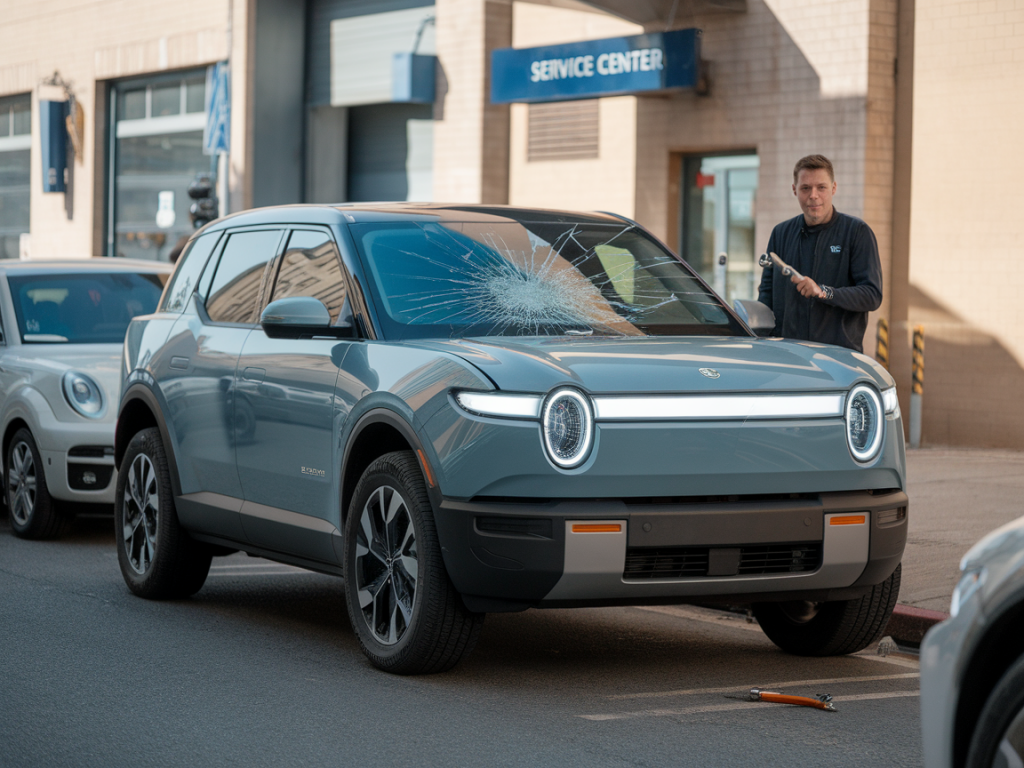
Electric vehicles are still new enough that extended warranties feel like a murky area for many buyers. I get asked about this all the time: “Should I buy the extended warranty?” “Is the battery covered?” “What about software issues?” I’ll walk through the real considerations that matter, share examples from popular EVs, and give a practical checklist to help you decide whether an extended warranty is a worthwhile purchase for your situation.
What an extended warranty usually covers (and what it doesn’t)
First, let’s clear up the common ground. An extended warranty—whether sold by the manufacturer or a third party—typically covers mechanical and electrical breakdowns beyond the original new‑car warranty. For EVs the most important components to understand are:
High‑voltage battery pack (cells, modules)Electric drive unit(s) (motors, inverters)Onboard charger and charging electronicsThermal management system (cooling/heating for battery and power electronics)Auxiliary components (12V system, infotainment sometimes)What’s often excluded or limited:
Normal wear items (brake pads, rotors, tires)Battery capacity loss due to normal degradationSoftware updates and features (many OEMs treat updates as part of ongoing service)Damage from accidents, flooding, neglectManufacturers vary widely in how they word battery coverage. For example, Tesla’s original battery warranty addresses capacity retention to a certain percentage for a given time or miles, while Hyundai and Kia offer specific battery warranties that are generous (often 8 years/100,000 miles). If a manufacturer already provides long battery coverage, buying extra protection for that same item can be redundant.
When an extended warranty makes sense for an EV
There are concrete situations where I usually recommend considering extended protection:
You plan to keep the car for a long time. If you expect ownership beyond the manufacturer warranty (commonly 3–4 years for basic coverage), an extended policy can protect you from expensive failures years down the line.You bought a used EV without remaining factory battery or powertrain warranty. Used EVs can be great deals, but if the battery warranty has expired, the cost of a major battery repair or replacement can be catastrophic.You live in a region with extreme temperatures. Very hot or cold climates stress battery systems and thermal management. If you’re in Phoenix or northern Canada, that extra protection can be valuable.Your model has known reliability or recall issues. Some early EV models or first‑year redesigns have teething problems. If the specific model you own or are buying has a pattern of costly electrical or battery repairs, an extended warranty can hedge that risk.You don’t have the financial buffer for a high repair bill. A battery pack replacement or inverter failure can run into the thousands; if an unexpected bill would cause real hardship, insurance via a warranty might be worth the premium.When an extended warranty often doesn’t make sense
Conversely, I usually advise against buying extended coverage when:
The OEM already offers long battery coverage. For example, if your Hyundai/Kia/GM has 8 years/100,000 miles of battery warranty, purchasing overlapping coverage is often wasteful.The EV is new and has a strong reliability record. Popular, well‑validated platforms (later model years of Tesla, Rivian after fixes, mainstream Kia/Hyundai EVs) often have predictable maintenance costs.The cost of the warranty is close to or exceeds reasonable expected repairs. Always calculate projected costs: if a 5‑year extended plan costs $3,000 but the average major failure probability is low, you’re probably paying a premium for peace of mind that’s overpriced.You plan to trade or sell the car before the extended plan would kick in. If you’re likely to move the vehicle on within the OEM’s original warranty period, the extended plan may never be used.Manufacturer vs third‑party plans — pros and cons
Choosing between a factory extended warranty and a third‑party policy matters:
Manufacturer plans often integrate with dealer service networks, have clearer claims processes, and sometimes include software support. They can be pricier but are generally hassle‑free.Third‑party plans can be cheaper and more flexible but vary widely in reputation. Look for plans backed by reputable administrators and insurance underwriters, transparent deductibles, and clear exclusions. Read reviews and check BBB/consumer reports.How to evaluate the price — a simple cost test
Here’s a quick way I decide if a warranty is priced fairly:
Estimate the cost of a likely large repair (battery module repair, inverter replacement). Use forum reports and shop quotes for your specific model.Multiply the probability of that repair over your ownership period by the repair cost to get an expected value.Compare that expected value to the warranty price. If the warranty costs several times the expected value and you can self‑fund repairs, skip it.| Factor | Why it matters |
|---|
| Remaining factory battery warranty | If long, extended coverage may be unnecessary |
| Owner time horizon | Long‑term owners benefit more from coverage |
| Local climate | Extreme temps accelerate battery wear |
| Model reliability history | Problematic models increase warranty value |
| Warranty cost | Compare to expected repair costs |
Questions to ask before buying any EV extended warranty
When a salesperson or website offers a plan, ask these exact questions and get answers in writing:
Is the battery covered for capacity loss, and what threshold triggers repairs or replacement? (e.g., below 70% within X years)Are individual battery modules repairable or does the plan require whole‑pack replacement?Is the thermal management system covered? Failures here can lead to battery damage.Are software/firmware issues covered if they cause functional loss?What are the deductibles, claim limits, and any per‑repair caps?Can I transfer the warranty if I sell the car? (This affects resale value.)Are there mileage or usage exclusions (commercial use, ride‑hailing)?Real examples
Here are two quick scenarios I encounter often:
Example A — New Hyundai Kona EV buyer: The Kona comes with an 8‑year battery warranty. I’d skip extra battery coverage but might consider a powertrain plan if the factory basic warranty is short and I plan long ownership.Example B — 2018 Nissan Leaf SL buyer, used: Older Leafs use battery chemistries that degrade faster. If remaining battery warranty has expired, a third‑party plan that covers capacity loss could be worth the cost — but check exclusions and proof of prior thermal management service.My practical checklist before you commit
Read the fine print and get coverage limits in writing.Check your OEM battery policy — align any extra coverage to gaps in that policy.Compare manufacturer and third‑party quotes and ask for real claim examples.Consider a shorter, lower‑cost plan if you want peace of mind without a big up‑front expense.Keep records of battery health, charging habits, and software updates — they matter for claims.Buying an extended warranty for an EV isn’t a one‑size‑fits‑all decision. It’s insurance against expensive and low‑probability events, and the right choice depends on your model, ownership horizon, local climate, and finances. Ask targeted questions, do the math, and don’t let FOMO or a pushy salesperson make the call for you.