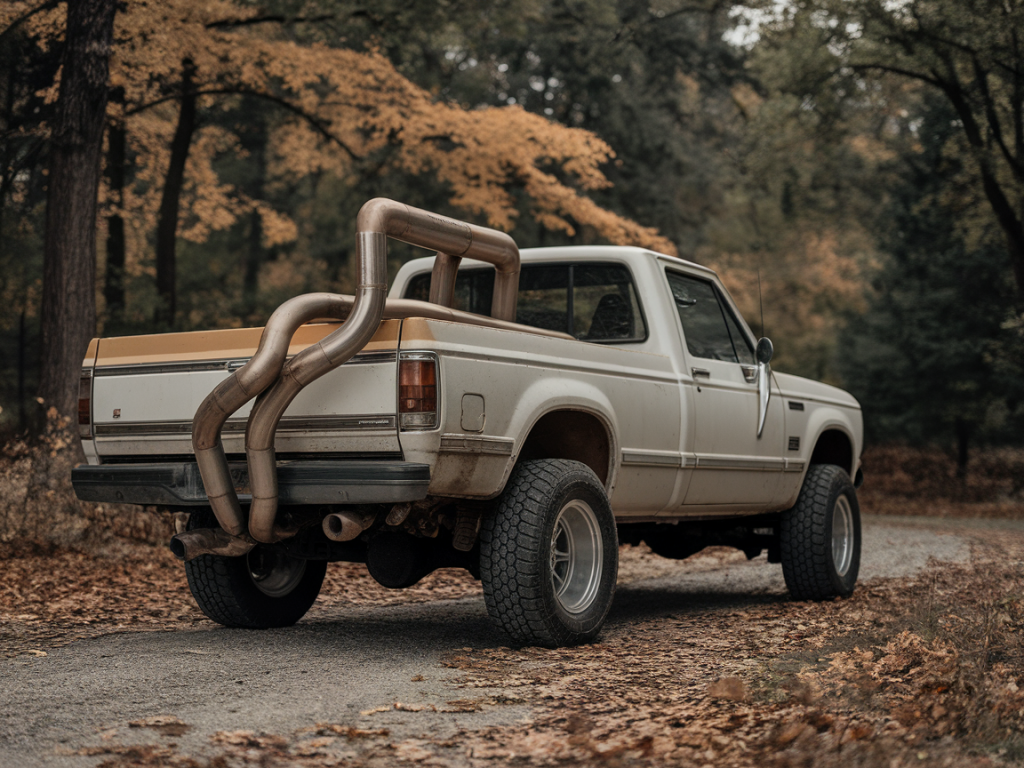
I get a lot of questions from readers about catalytic converters for older diesel pickups — especially which aftermarket choices are both legal and dependable. I’ve spent time wrenching on older trucks, coordinating repairs with shops, and digging into emissions rules, so here’s a practical, experience-based run-through of what to look for, what to avoid, and how to keep your truck street-legal and reliable.
Understanding the basics: what a diesel "catalytic converter" actually is
For diesels, the phrase "catalytic converter" can mean different things depending on the truck and the era. Older diesel pickups may have a simple oxidation catalyst (DOC) that reduces hydrocarbons (HC) and carbon monoxide (CO). Newer diesels include diesel particulate filters (DPF), selective catalytic reduction (SCR) for NOx (using DEF), or combined systems like catalytic converter + DPF. When people ask about replacing a catalytic converter on an older diesel, they’re often dealing with a DOC or a combined DOC + DPF unit.
Legal framework — what matters where you live
This is the first check you should make. In the U.S., there are two main regimes:
- EPA-compliant (Federal): Most of the country follows federal EPA regulations. Aftermarket catalytic converters must meet EPA performance standards and typically have a part number or certification marking showing compliance.
- CARB (California Air Resources Board): California (and some states that follow CARB rules) requires CARB Executive Order (EO) numbers for aftermarket emissions parts. CARB rules are stricter: many aftermarket high-flow or universal converters are not legal in California.
Always check local laws — some states have additional restrictions, and tampering laws make it illegal to remove or disable emissions equipment even if you’re off-road.
Types of aftermarket options and how they stack up
When shopping for an aftermarket solution for an older diesel pickup, you’ll see these categories:
- Direct-fit EPA-compliant replacements — designed to match OEM dimensions and sensor locations. These are usually the safest legal bet and easiest to install.
- CARB EO-approved direct-fit — like the EPA direct-fit but with the CARB Executive Order; required in California and some other states.
- Universal high-flow converters — cheaper and sometimes claimed to increase power, but often not EPA/CARB-compliant and may fail emissions tests.
- OEM parts — original manufacturer parts; most reliable and guaranteed legal if they match the truck’s original setup.
- DPF/retrofit kits — if your truck originally lacked a DPF and you’re trying to retrofit one for legal reasons, this gets complex and often requires professional engineering and certification.
How to tell if a converter is legal
Check for markings and documentation. A legal aftermarket catalytic converter will usually include:
- An EPA or CARB number stamped on the part or in the paperwork
- Manufacturer documentation stating vehicle fitment, model years covered, and certification details
- Warranty and part number that you can cross-reference with EPA or CARB databases
Tip: If a seller can't provide proof of EPA compliance or a CARB EO number (when required), walk away. Sketchy listings with vague "high-flow" claims are a red flag.
Materials, construction, and reliability
The core of a converter is usually a ceramic monolith or a metallic substrate coated with catalyst materials (platinum, palladium, rhodium for gasoline; oxidizing catalysts for diesel). Key points from working on trucks:
- Ceramic cores are common and cheap, but brittle — they can crack from shock or thermal stress.
- Metal cores are tougher and handle thermal cycling better; they can be more reliable on trucks used in heavy towing or off-road work.
- Weld quality and flanges matter — poor welding leads to leaks and premature failure. Look for well-built housings and quality mounting hardware.
Brands and products I've seen work — and those to be cautious about
From hands-on experience and shop feedback, a few names consistently deliver reliable, legal parts:
- MagnaFlow — widely available, many EPA- and CARB-compliant direct-fit options for light trucks.
- Walker — OEM-level direct-fit replacements with good build quality.
- Dorman — practical, cost-effective OE-replacement parts; often a good balance of price and reliability.
Avoid cheap, no-name universal "high-flow" converters that lack documentation. They may save money up-front but cost you in emissions test failure, repair bills, and legal trouble.
Installation, sensors, and tuning considerations
Even the best converter can lead to problems if installed poorly. Key practical points I always check:
- Fitment: ensure oxygen/NOx sensor ports line up. On diesels, sensor placement affects regeneration and warning lights.
- Gaskets and torque specs: use OEM or quality gaskets and follow torque specs to avoid leaks.
- Check engine light: swapping converters on modern diesels may trigger CELs if sensors detect different flow or temperatures. You may need a calibration, but do not use tuning to defeat emissions systems — that’s illegal.
- DPF regeneration: if your truck has a DPF, replacement parts must be compatible with active/passive regen functions.
Costs and warranty — what to expect
| Option | Typical cost (parts only) | Warranty/reliability |
|---|---|---|
| OEM replacement | $800–$2,000+ | Best; manufacturer warranty |
| EPA/CARB direct-fit aftermarket | $400–$1,200 | Good; many offer warranties and documented compliance |
| Universal high-flow | $100–$400 | Poor; often no warranty and may be illegal |
Prices vary widely with model and whether a DPF is involved. Labor can add several hundred dollars for a direct-fit, more if cutting and welding are required.
Practical checklist before you buy
- Confirm whether your truck originally had a DOC, DPF, or combined system.
- Check local emissions rules — CARB states require EO numbers.
- Ask the seller for EPA/CARB documentation and part numbers.
- Prefer direct-fit, OEM-style units for reliability and to avoid CELs.
- Use a reputable installer; get receipts and keep documentation for inspections or resale.
If you’re on a tight budget and your truck is older, consider options like cleaning or professionally repairing the original unit before replacing it. Many shops can clean a clogged DOC/DPF or replace the substrate without a full new housing, which can save money and keep you legal.
Finally, remember that tinkering to bypass emissions systems is not only risky for your engine and the environment but often illegal. If you want a performance-oriented solution, look for legal, certified parts and pair them with correct tuning from a reputable shop that keeps your emissions controls working.