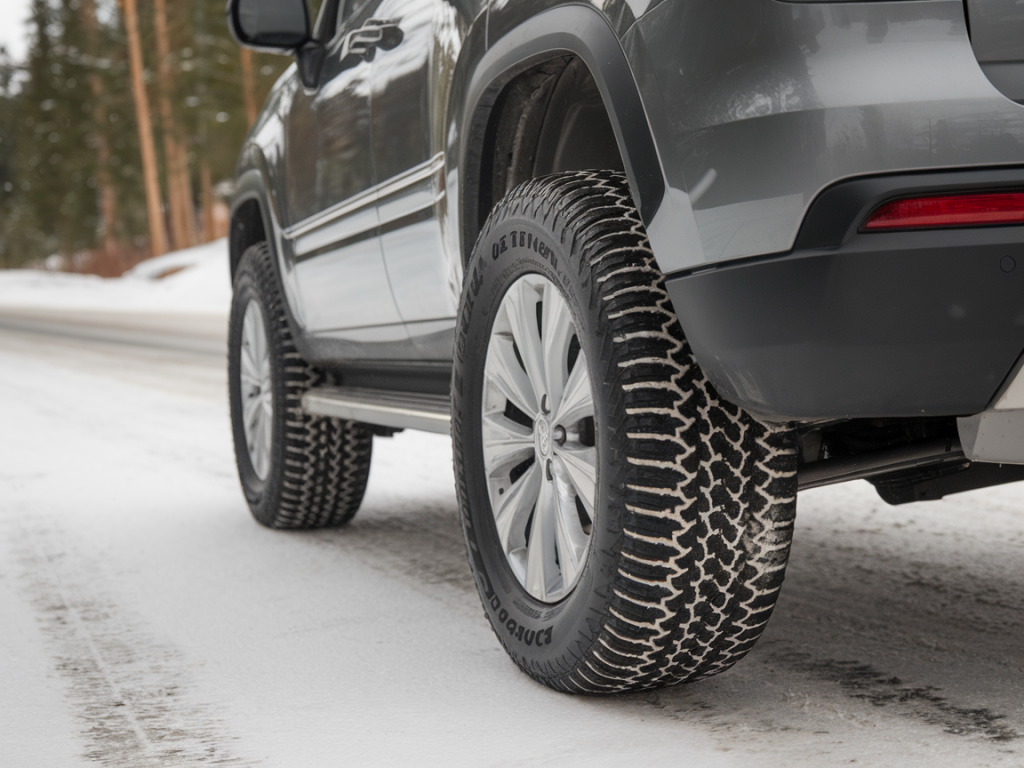
When winter arrives, swapping to dedicated winter tires for your SUV isn't just about better traction — it's also about making sure your tires won't throw off your speedometer, odometer, or handling. I’ve learned this the hard way after fitting a set of oversize winters that made my speedo read slow and gave the steering a vague, disconnected feel. In this article I’ll walk you through how to choose the correct winter tire size for your SUV so you avoid speedometer errors and compromised handling, and so you keep driving with confidence and safety when temperatures drop.
Why winter tire size matters for speedometer accuracy and handling
Most modern vehicles use wheel speed sensors or ABS sensors to calculate vehicle speed, rather than relying solely on mechanical speedometers. These sensors measure wheel rotation and, combined with the tire circumference, determine your vehicle’s speed and distance travelled. Change the tire diameter or circumference significantly and your car will miscalculate both.
That miscalculation can cause a few practical problems:
Understanding the tire size notation
Before you shop, it’s essential to read and understand tire size codes. A common example for an SUV tire reads: 265/65R17 112T. Here’s what that means:
To calculate approximate tire diameter (and then circumference), use this formula:
Tire diameter (mm) = (2 × section width × aspect ratio / 100) + (wheel diameter in mm).
Wheel diameter in mm = wheel inches × 25.4.
Quick example: why two similar sizes can still cause errors
| Size | Diameter (mm) | Circumference (mm) | Difference vs stock |
|---|---|---|---|
| 265/65R17 | 761 | 2391 | Reference |
| 275/70R17 | 792 | 2489 | +4.1% circumference |
| 255/60R18 | 745 | 2342 | -2.1% circumference |
These approximate numbers show how seemingly small changes in aspect ratio or width can change circumference by several percent. A 4% change will make your speedometer read about 4% slower (you’ll be doing 104 km/h while the speedometer says 100 km/h). That is significant for legal speeds, cruise control calibration, and driver confidence.
Steps I follow when choosing winter tires for an SUV
When you’re outside the safe tolerance
If the winter tire you want is outside the ±2% circumference target, you have a few options:
Practical examples and brand notes
From experience, brands like Michelin X-Ice, Continental WinterContact, Bridgestone Blizzak, and Nokian Hakkapeliitta offer SUV-specific sizes with close attention to winter compounds and tread design. Many of these lines include sizes matched to OEM rolling diameters, so you can often buy a winter set that keeps you within the safe tolerance without ECU tweaks.
If you have a crossover with run-flat tires on large rims (18–20"+), one of my go-to strategies is to use an 18" or 17" dedicated winter wheel package. This usually allows a taller sidewall winter tire that maintains circumference and improves ride comfort and traction. I keep a record of circumference before and after mounting so I can quantify any change.
Common pitfalls I’ve seen
When in doubt, ask the shop to calculate the % difference in rolling circumference compared to your OEM tires, or use an online tire size calculator yourself. If they don’t know what you’re talking about, find a shop that specializes in winter packages for SUVs or contact the tire brand’s customer service — many manufacturers publish detailed size comparison charts.
If you’d like, tell me your SUV’s current tire size and the winter size you’re considering and I’ll run the comparison for you and advise whether it’s within a safe tolerance or whether you should pick a different size or consider recalibration options.