I’ve been tracking the tendances qui transforment lindustrie automobile for years, and what strikes me most is how quickly those trends cascade from boardrooms and research labs into the everyday decisions drivers make. As someone who writes about vehicles with a practical, hands-on lens, I want to walk you through the major forces reshaping mobility today — why they matter, how they interact, and what drivers, fleet managers, and industry watchers should expect next.
Why these trends matter now
The automotive sector is no longer just about better engines or sleeker designs. We’re seeing systemic change driven by regulation, technology, consumer behavior, and new business models. To give that context, consider a few headline figures:
These numbers aren’t just industry bragging points — they point to shifting infrastructure needs, different ownership models, and a new skillset for technicians and drivers alike.
Electrification: the obvious backbone
EVs are the most visible trend. From my test drives and maintenance experience, the move to electrification changes everything from vehicle packaging to everyday service routines. Battery chemistry advances, longer ranges, and faster charging are reducing consumer hesitation, while stricter emissions regulations push manufacturers to accelerate rollouts.
Sources I keep returning to on electrification: IEA Global EV Outlook, BloombergNEF, and automaker sustainability reports.
Connectivity and software-defined vehicles
Modern cars are computers on wheels. The rise of over-the-air (OTA) updates, integrated apps, and connected services means vehicles are increasingly defined by software. That shift creates opportunities and headaches:
Trusted references: industry white papers from McKinsey and SAE, and cybersecurity guidance from ENISA and NHTSA.
Autonomy and advanced driver assistance systems (ADAS)
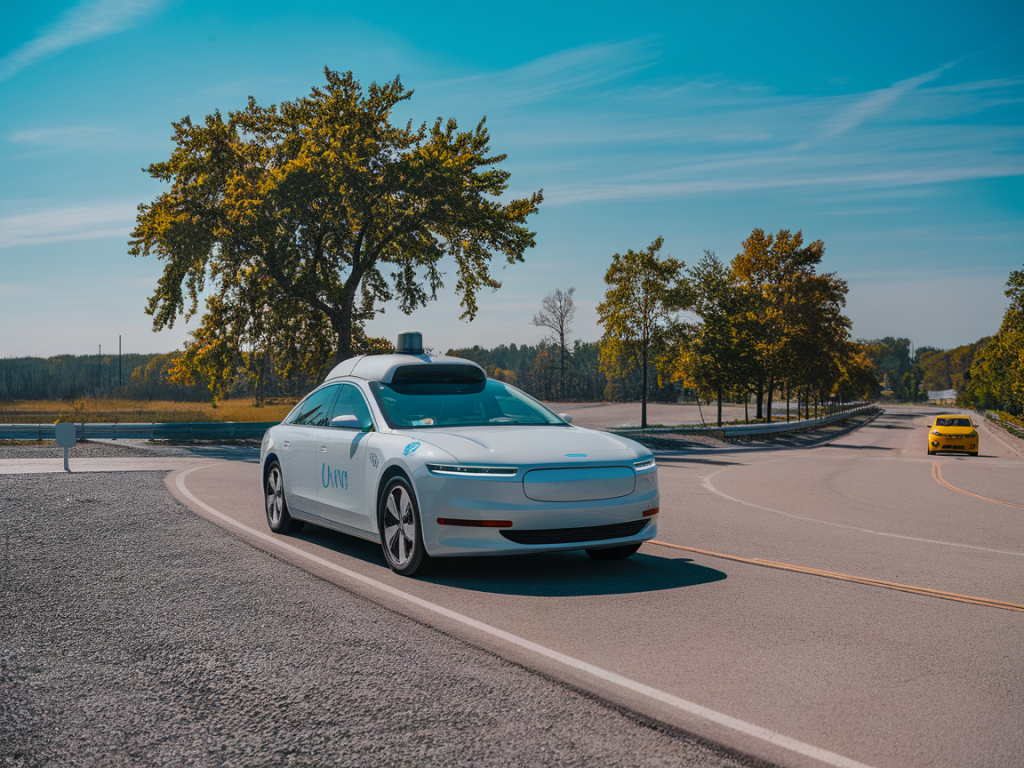
Full autonomy remains a multi-year challenge, but ADAS features — adaptive cruise, lane-keeping, automatic emergency braking — are mainstream. I approach this topic carefully: real-world reliability varies by sensor suite, software maturity, and environmental conditions.
Leading sources: SAE taxonomy for levels of automation, NHTSA and European Commission reports on road automation safety.
New mobility models: ownership vs. access
Ownership used to be the default. Today, many consumers — especially in urban areas — choose access: carsharing, subscription services, ride-hailing, and micro-mobility (e-scooters, e-bikes). From a practical standpoint, this shifts responsibility for vehicle maintenance and lifecycle management to operators.
For market size and urban trends, I consult reports from McKinsey, BCG, and municipal pilot studies from Europe and North America.
Supply chain and manufacturing transformation
Manufacturing is adapting to electrification and software demands. Battery gigafactories, semiconductor fabs, and localized supply chains are priorities. I’ve seen OEMs and suppliers redesign plants to be more flexible — able to produce ICE, hybrid, and EV variants with minimal retooling.
Infrastructure: charging, grids, and urban design
EVs and shared mobility demand infrastructure. From my perspective, the bottleneck is not only charging hardware but smart grid integration and equitable access.
Environmental and circular-economy imperatives
Sustainability is driving choices from design to disposal. Battery recycling, second-life applications, and low-carbon manufacturing are no longer optional. In my maintenance experience, battery diagnostics and recycling logistics are becoming standard topics in workshops and service centers.
Table: Quick comparison of the major trends
| Trend | Core driver | Immediate impact | What I watch |
|---|---|---|---|
| Electrification | Regulation, battery tech | Lower tailpipe emissions, new maintenance needs | Battery cost curve, charging rollout |
| Connectivity/Software | Consumer demand for features | OTA updates, subscriptions | Cybersecurity, data ownership |
| Autonomy / ADAS | Sensor & AI advances | Safety gains, driver behavior changes | Regulation, liability frameworks |
| Shared Mobility | Urbanization, cost of ownership | Fleet ops, higher utilization | Urban policy, curb management |
| Supply Chain | Resource constraints, geopolitics | Localized production, material sourcing | Vertical integration, recycling |
Practical advice for drivers and fleet managers
From hands-on experience, here are recommendations I give readers and fleet clients:
Data and sources I rely on
To ground my observations I regularly consult the following reputable sources:
Additional useful reading includes OEM sustainability reports, NHTSA safety advisories, and regional agencies such as EAFO for European charging data.
How these trends interconnect — and why that matters
One misconception I often encounter is treating each trend as separate. In reality they’re tightly coupled: electrification increases demand for charging infrastructure, which requires grid upgrades; software-defined vehicles enable new ownership models but demand robust cybersecurity; shared mobility drives higher utilization, changing maintenance cycles and battery life expectations.
For readers, that interconnection means decisions should be holistic. A city’s EV strategy must encompass energy policy, urban design, and social equity. A buyer choosing an EV should think about charging access, potential software subscriptions, and resale value in a rapidly changing market.
Further reading and reference links
Below are direct links I recommend for deeper dives: