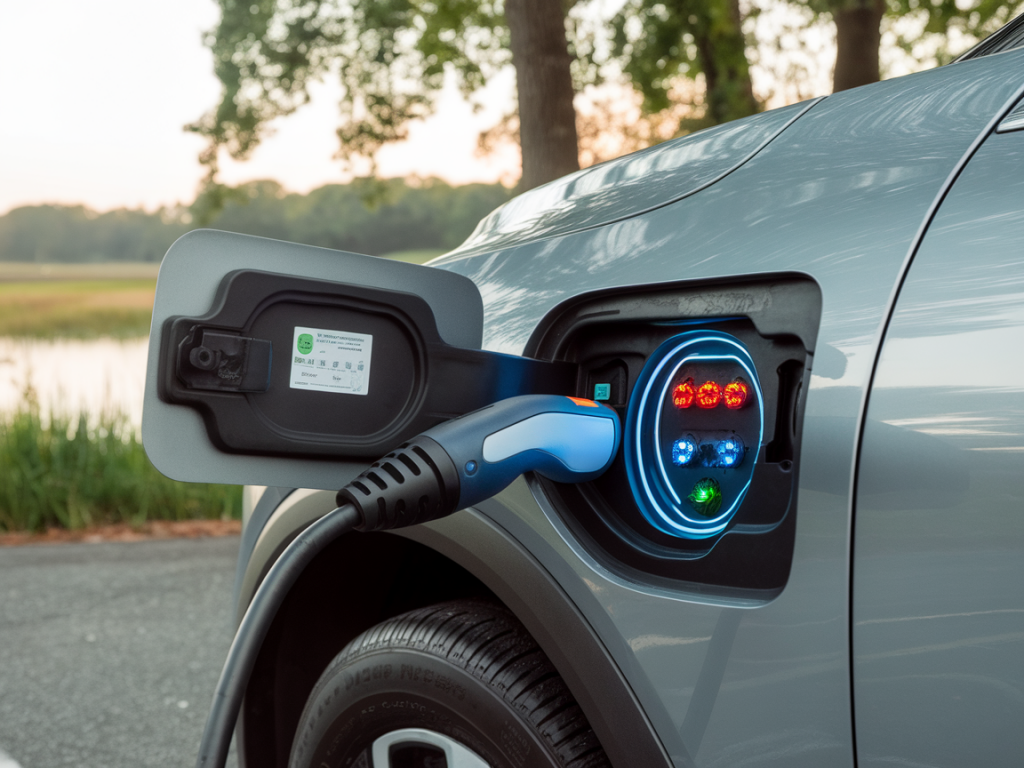
I’ve bought my share of used cars, and with EVs the stakes feel different: the battery and the onboard charger are components you can’t easily swap like a faulty alternator. During a test drive, you won’t fully stress the powertrain or the charger, but with a few targeted checks and some intentional charging steps you can reveal early warning signs of an onboard charger (OBC) that’s about to fail. Here’s the hands-on approach I use when evaluating a used EV — practical, practical, and focused on spotting problems before you sign anything.
Why the onboard charger matters
The onboard charger converts AC power (from Level 1 and Level 2 chargers) into DC to charge the battery. If it’s failing, charging will be slow, inconsistent, or impossible on AC chargers — forcing expensive DC fast charging or leaving you stranded. A partially failing OBC might work intermittently, show overheating symptoms, trip faults, or derate charging current. You want to catch that early.
What I bring on a test-drive
Pack a small kit: things that help you test charging and capture evidence.
Quick visual & documentation checks
Before you press the accelerator, do a few simple checks that often reveal past electrical problems.
Start the basic cabin/cluster checks
Turn the car on and watch for warning lights. Many EVs show the charging system and battery warnings on startup. If any persistent charging or thermal warnings appear before you start driving, walk away or investigate further.
On the road — sounds, smells and behavior
During the drive pay attention to unusual electrical noises (buzzing, whining that change with vehicle speed or HVAC use), burning smells, or an oddly hot center console area. Some onboard chargers are under seats or trunks; heat can migrate and become noticeable. I once test-drove a vehicle with faint burning plastic smell during a long stop — turned out to be a partially failed OBC overheating under load.
Real test: AC charging check (Level 2)
This is where you can most reliably stress-test the onboard charger in a short time.
Symptoms that suggest OBC trouble
During the Level 2 test, keep an eye out for these specific issues:
AC vs DC behaviour — what to try
Onboard chargers only affect AC charging. If you can access a DC fast charger, see how the vehicle behaves on DC charging as well:
Using OBD2 and software to dig deeper
If you have the seller’s permission and an OBD2 dongle, look for stored trouble codes and live data:
Questions to ask the seller/dealer
I always ask direct questions that reveal ownership history and prior issues:
Quick reference checklist
| Step | What to watch for | Pass/Fail |
|---|---|---|
| Visual port inspection | Corrosion, melted plastic, discoloured pins | |
| Startup warnings | Charging or battery warnings on dash | |
| Level 2 charge current | Steady expected kW/amps for 5–10 min | |
| Temperature check | Rapid heat rise at port or OBC area | |
| OBD2 codes | Charging, inverter, or thermal codes | |
| DC fast charge | Works normally (if available) |
Red flags that should stop the deal
If you see any of these, I’d be extremely cautious:
If you suspect a problem
Ask for a professional inspection at an EV-specialist shop. Many shops can do a more thorough diagnostic: measure insulation resistance, test the OBC under load, and read manufacturer-level codes. Compare the repair estimate to your negotiating leverage. Sometimes an OBC replacement is costly; other times it’s covered under warranty if the car is relatively new.
Testing a used EV’s onboard charger during a test drive isn’t foolproof, but it’s the best practical defense most buyers have. With a little prep — a Level 2 charger, an OBD2 tool if possible, and a focused checklist — you can spot the most common signs of impending failure and save yourself from an expensive surprise.