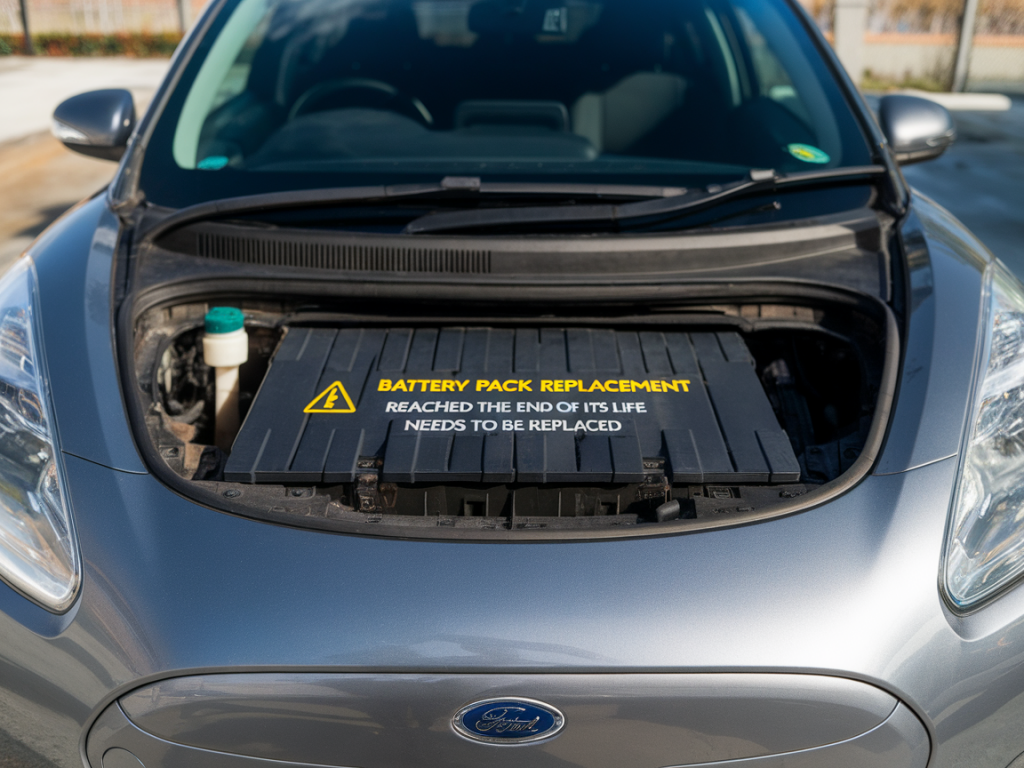
I’ve tested and repaired plenty of cars in my own garage, and I’ve learned that the battery pack is the single most important — and most expensive — component in a used electric vehicle (EV). If you’re shopping for a pre-owned EV, the big question isn’t just how it looks or how many miles are on the odometer: it’s whether the battery will still hold enough charge to be useful, or if you’ll be paying for a replacement sooner than you expect. Here’s how I evaluate a used EV battery before I would buy the car.
Ask for the battery history first
The single most useful thing you can get is a documented service and charging history. I always start by asking the seller or dealer for:
Why? Because repeated high-power DC fast charging, running the car consistently to 0% SOC, or owning the car in very hot climates can accelerate degradation. A car with careful owners who charged mostly at home and kept state of charge (SOC) between ~20–80% is a much better prospect.
Get the vehicle’s battery health or state-of-health report
Many manufacturers or independent shops can generate a battery health (SoH) report that estimates current capacity versus original capacity. If the seller can provide a recent SoH readout, that’s ideal. If not, ask to have one done before you complete the purchase.
Tools and services I recommend or have seen used successfully:
Do a real-world range check
Data beats claims. If you can, test-drive the car on a full charge and see how far it actually goes at a reasonable speed. Compare the observed range to the advertised EPA or WLTP range for that model and year.
Check for warning lights and thermal history
When you inspect the car, look for dashboard warnings related to the battery, charging system, or thermal management. A history of thermal events, or repeated fault codes, suggests past or ongoing problems that could indicate premature battery failure.
Use an OBD-II scan or expert inspection
I always request an OBD-II scan that reads battery-specific data. Useful metrics include:
If you don’t have the tools, take the car to a trusted EV technician for a pre-purchase scan. For many models you can also use consumer apps (like LeafSpy for Nissan Leaf, EVTripPlanner or similar for other makes) with a Bluetooth OBD adapter — but be careful with accuracy and interpretation.
Look and listen — physical inspection
Battery packs are built into the vehicle structure; physical damage or corrosion to the undercarriage, signs of previous impacts, rusted mountings, or recent underbody repairs should be investigated. While battery modules are protected, a previous collision or water exposure can spell trouble.
Understand warranty coverage and transferability
Many EVs come with a battery warranty that guarantees a minimum SoH over a period (often 8 years/100,000 miles in the US). Ask whether the warranty is transferable and whether any prior claims affect coverage. Even an older car may have remaining warranty that could save you thousands if the pack fails.
Know typical degradation numbers by model
Some EVs historically hold up very well; others show higher rates of early degradation. For example:
| Model (example) | Typical degradation after 5 years / 50k miles | Notes |
|---|---|---|
| Nissan Leaf (older first-gen) | 15–30% or more | Older Leafs more susceptible to degradation, especially without thermal management. |
| Tesla Model S/3 (modern) | 5–15% | Generally robust management; many retain >85% after 100k miles. |
| Chevy Bolt | 5–15% | Some early Bolt years had recall-related issues; check service history. |
These are general trends — always check the specific VIN and model year.
Red flags that mean walk away or negotiate hard
How to factor replacement cost into your offer
A full battery pack replacement can range from a few thousand dollars for smaller, older packs to $15,000–$20,000 (or more) for higher-capacity modern packs when done through the dealer. Rebuilt or used packs, and independent repairs, can be cheaper but come with caveats.
Calculate how much range you need and what a likely replacement cost would do to the vehicle’s total cost of ownership. If the pack health is at 75% and you’ll need 95% range for your needs, negotiate a lower price that accounts for likely replacement or factor that cost into financing decisions.
Final practical tips from my garage
Buying a used EV can be an excellent decision — lower running costs, quieter driving, and often robust reliability — but batteries are different from engines. They don’t show progressive warning signs the same way. By asking the right questions, getting the right data, and factoring repair costs into your offer, you can avoid the worst surprises and drive home with confidence.