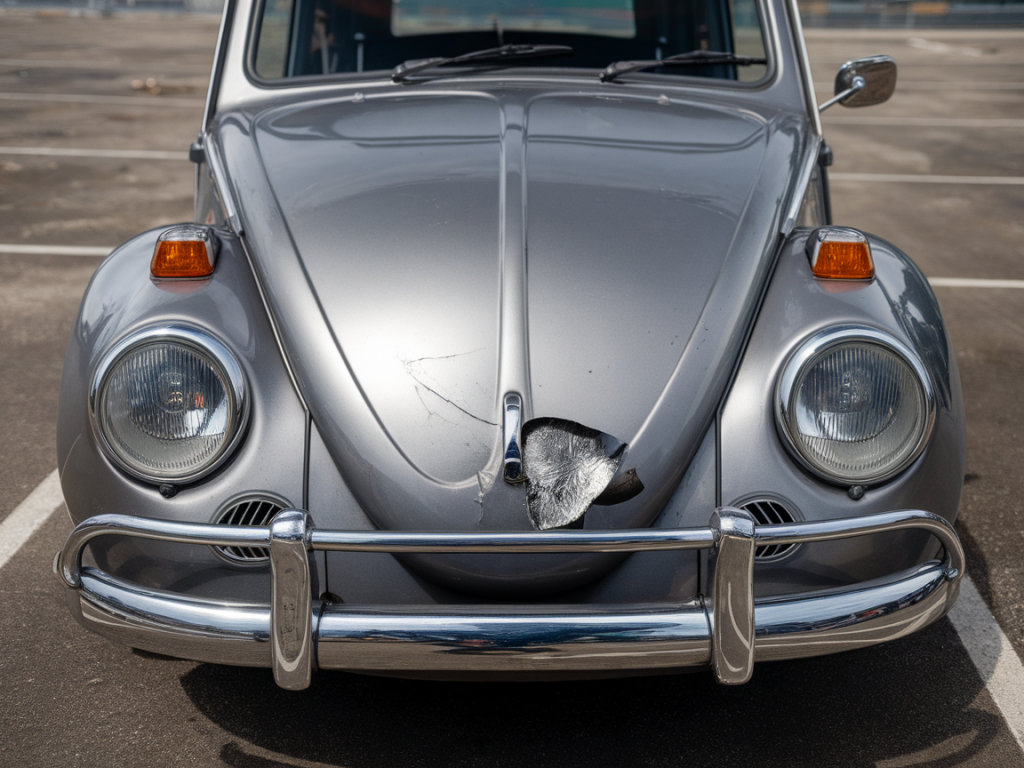
Buying a lease-return Volkswagen can feel like a smart move on paper: relatively low mileage, dealer-serviced history, and a price that’s often below private-sale levels. I’ve inspected dozens of lease-return cars over the years, and while many are great buys, a surprising number come with hidden repair bills if you don’t look carefully. Below I walk you through exactly what I check when I’m buying a returned VW — from the visible wear to the expensive-but-hidden items — so you can avoid surprise costs after the sale.
Why lease-returns are different
Leased vehicles are used differently. Some lessees baby their cars; others treat them like daily workhorses. Dealers typically fix defects that would affect resale value, but they won’t always address every maintenance item. That means a car can look good cosmetically yet still need timing-belt service, new brakes, or electrical repairs that are costly. The service history is helpful but not infallible — I’ve seen gaps, mismatched stamps, and simple omissions that hide real needs.
Start with the paperwork
Before getting under the hood, I want to see documents. Ask for:
- Full service records — not just the lease-end inspection report. Look for consistent oil changes and major services (timing belt, transmission service).
- Original window sticker or build sheet — to verify equipment and engine option. That matters with VW because different engines and transmissions have different issues.
- Vehicle history report (Carfax, AutoCheck) — for accident history or title problems.
- Recall status — check the VIN on the NHTSA or manufacturer site to ensure recalls were addressed.
Exterior and body: what to inspect
A professional recoat can hide bodywork, so I use a few tricks:
- Run your hand over panel gaps and seams — uneven gaps indicate previous repair.
- Look for paint texture differences under bright light; repainted panels often have orange-peel or overspray in rubber seals.
- Inspect wheel wells and rocker panels for rust or undercoating; salt-belt cars hide corrosion under black underseal.
- Check the windshield for small star chips — VW’s ADAS cameras (on models with driver-assist) can require windshield recalibration after replacement.
Interior: wear, electronics, and smells
Leased cars can show surprising interior wear, especially on seats, steering wheel, and switchgear. I check:
- Seat bolsters and lumbar — leather or synthetic wear can be costly to repair or replace.
- Infotainment functions — CarPlay/Android Auto, navigation, Bluetooth, and backup camera. Reset errors and frozen screens are more common than you’d think.
- Controls and stalks — crackly switches or sticky buttons often mean age-related issues or previous spills.
- Smell test — musty odor suggests water intrusion; cigarette smoke is hard to remove and reduces resale value.
Under the hood: the essentials
This is where many hidden costs live. I never buy a VW without checking these.
- Oil condition and level — fresh oil and correct level suggest recent maintenance. Milky oil indicates coolant mixing (head gasket issue).
- Timing components — some VW petrol engines use timing chains that can stretch, while others use belts with strict replacement intervals. Verify what the engine has and when service is due. A timing-belt job can cost over $1,000 at a shop.
- Coolant and hoses — swollen or soft hoses and contaminated coolant are signs of neglected cooling system maintenance.
- Leaks — oil leaks at the valve cover gasket, turbo seals, or around the crankshaft can mean expensive repairs down the line.
- Battery health — older batteries can mask intermittent electrical faults until you own the car.
Undercarriage, suspension, and brakes
Take the car for a drive and, if possible, get it on a lift or look underneath. I look for:
- Uneven tire wear — indicates alignment or suspension issues.
- Brake pad thickness and rotor condition — rotors with deep grooves or scoring mean replacement; warped rotors show up as pulsing when braking.
- Suspension bushings and struts — knocking or clunking noises on bumps point to worn components.
- Exhaust condition — rusted sections near joints or the catalytic converter may be failing.
Transmission and drivetrain
VW gearboxes, especially DSG (dual-clutch transmissions), need careful attention. I always:
- Check for smooth shifts at all speeds — hesitation or jerking indicates transmission or software issues.
- Ask about DSG service history — filter and fluid changes at recommended intervals are expensive but necessary. Missing this service shortens transmission life.
- Listen for differential or transfer case noise on AWD models — whining or grinding is a bad sign.
Electrical system and ADAS
Modern VWs pack a lot of electronics. Faults here can be costly:
- Test all lights, sensors, and the heater/AC climate functions.
- Ensure adaptive cruise, lane-keeping, and automatic braking work if the car has them — repairs or recalibrations can be pricey.
- Scan for stored fault codes — even if the check-engine light is off, pending codes can reveal issues. A cheap OBD2 reader helps here.
Red flags that should make you pause
- Inconsistent or missing service records for known interval services (timing belt, DSG service).
- Signs of coolant or oil mixing — head gasket or turbo problems.
- Multiple unrelated cosmetic repairs — may indicate the car was in more than one accident.
- Transmission slip or erratic electronics — likely expensive fixes on modern VWs.
- Unexplained odors or visible water stains — water intrusion is tough and costly to resolve.
Cost estimate table: common repairs and ballpark costs
| Repair | Typical cost (USD) | Notes |
|---|---|---|
| Timing belt service | $700–$1,500 | Depends on engine and parts; includes water pump on many jobs |
| DSG service (fluid & filter) | $250–$500 | Routine but often overlooked; skipping reduces gearbox life |
| Turbo replacement | $1,200–$3,000 | Common on high-mileage turbocharged VWs |
| Head gasket repair | $1,500–$3,500 | Labor intensive; varies with engine layout |
| Brake pads & rotors | $300–$800 | Depends on front/rear and rotor condition |
Pre-purchase inspection and negotiation tips
I always recommend a pre-purchase inspection (PPI) by an independent mechanic familiar with VWs — it’s worth the $100–$200. Bring a mechanic’s checklist to the dealer test drive, and don’t be shy about asking the dealer to fix issues or discount the price for upcoming services (full timing belt, DSG service, new tires, etc.).
Finally, factor in ownership items that dealers often skip: fresh fluids, new wipers, and software updates. If the price looks great but the car needs a major service on acquisition, budget that into your offer or walk away. A smart lease-return buy can be a reliable, cost-effective car — but only if you know what to look for.