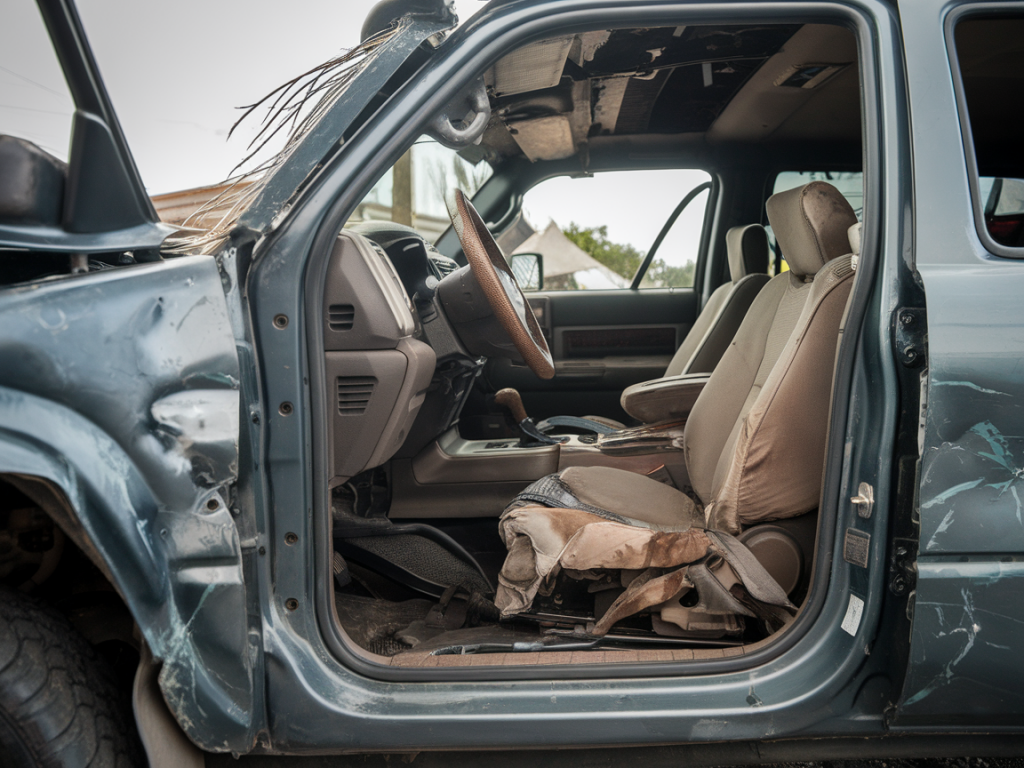
I remember the first time I nearly bought a used SUV that looked flawless in photos and on the lot — until I drove it and everything felt slightly off. The steering tugged, the car pulled to one side, and the doors closed like they belonged to different cars. After a little digging I discovered previous front-end damage that had been “repaired” poorly. That experience taught me to treat every test drive like a short inspection appointment. Here’s my practical guide on how to spot frame damage on a used SUV during a test drive and the clear signs that should make you walk away.
Why frame damage matters
Frame or structural damage isn’t just cosmetic. The frame and unibody structure are a vehicle’s backbone — they control crash performance, suspension geometry, wheel alignment, and how loads transfer through the car. Even well-intentioned repairs can leave a vehicle unsafe or with poor handling and uneven tire wear. I always treat potential frame problems as a major red flag because they can be expensive and unpredictable to repair.
Quick prep before you meet the seller
Bring a few simple items in your trunk and your phone for photos:
If you can, get the VIN up front and run a vehicle history report (Carfax, AutoCheck). Salvage, rebuilt-title or flood history are non-starters for me on most family SUVs.
Walk-around: visual cues you should not ignore
Start with a slow, systematic exterior inspection:
Inspect the undercarriage
Get low and look for signs under the SUV:
Doors, latches and glass
Close each door, the hood and the hatch. Doors on a sound SUV should latch with similar resistance and sit flush with the body lines. Listen for scraping, rubbing, or clicking that suggests misaligned panels. Window seals that don’t fit evenly are another indication of body distortion.
How the SUV should feel on a test drive — and what’s bad
During the drive I focus on these cues. I recommend testing on a variety of surfaces: a straight stretch, a slow-speed parking-lot lap, and a patch of uneven pavement.
Tests to do on-site
These quick tests expose subtle structural problems:
Table: Signs vs Likely Severity
| Sign | Possible issue | Severity |
| Uneven door gaps | Minor panel repair to major frame misalignment | Medium–High |
| Bent frame rail or kink | Heavy structural damage | High — walk away unless fully documented repair |
| Pulling under braking | Suspension/suspension mounts or alignment | Medium |
| New welds at odd places | Structural repairs, maybe substandard | Medium–High |
| Salvage/rebuilt title | Previously severe damage | High — consider skipping |
Red flags that should make you walk away
Some things are worth an immediate “no” from me:
When to call in a pro
If you like the SUV but suspect structural work, I recommend a pre-purchase inspection by a mechanic who specializes in frames or a body-shop that uses a frame machine. A chassis measurement report or frame-straightening shop inspection can tell you if rails were straightened and to what spec. Expect to pay a couple of hundred dollars for a thorough inspection — money well spent compared to buying a compromised SUV.
I’ve seen vehicles that looked perfect after a hasty repair, only to show accelerated tire wear, unpredictable handling, and hidden costs months later. Treat the test drive as your last line of defense: observe, listen, photograph, and don’t hesitate to walk away when multiple warning signs add up. Your family’s safety and your peace of mind aren’t worth taking chances with a structurally dubious SUV.