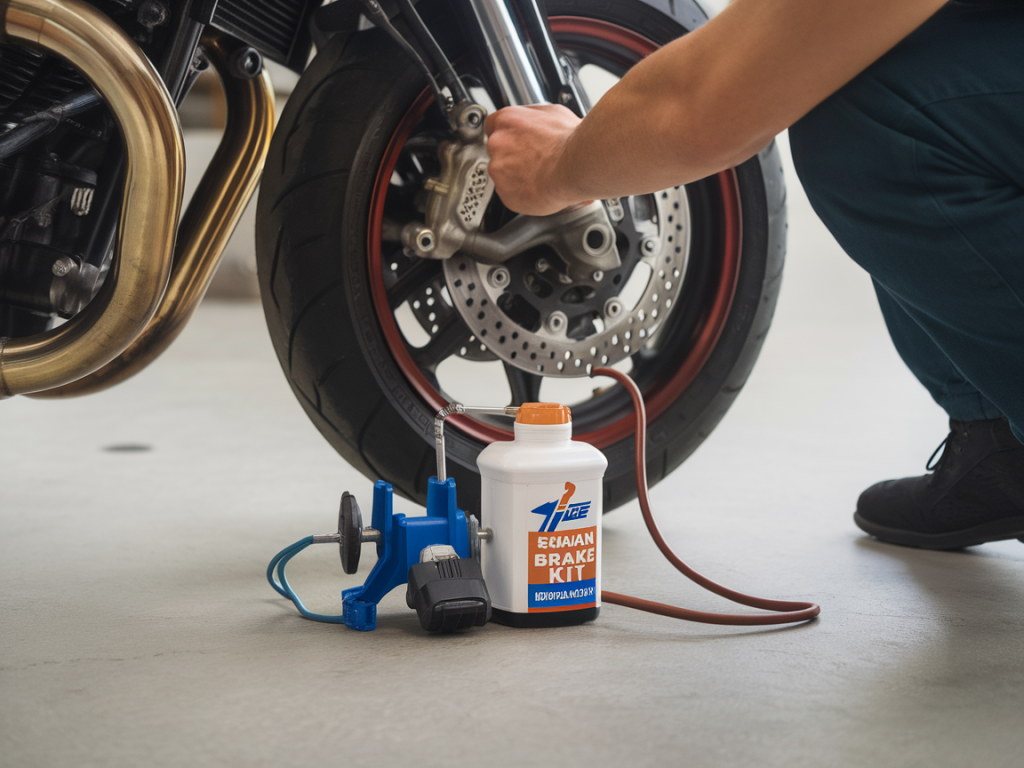
I remember the first time I had to bleed brakes alone — standing over the car in my driveway, brake fluid bottle in one hand and a length of clear hose in the other, wondering if there was a smarter way than the awkward pump-and-pray method. If you’re in the same boat, a one-man brake bleeding kit can save time, mess, and the need to rope in a friend. In this guide I’ll walk you through why a one-man kit works, what to buy, and a step-by-step method I actually use on my own cars.
Why bleed brakes alone?
There are a few reasons I prefer to be able to bleed brakes solo:
- I control the brake pedal pressure and can do it slowly and consistently.
- It saves scheduling trouble and waiting for a helper.
- It’s cleaner and faster with the right kit — fewer spills, less air reintroduced.
Modern one-man kits use vacuum, pressure, or a siphon/reservoir system to force fluid through the calipers/wheel cylinders while you operate the master cylinder pushrod or a small pump. I’ve had consistently good results with inexpensive vacuum-style kits and also with handheld pressure reservoirs from brands like Mityvac, Motive, and OEM-style pressure bleeders sold by Power-Stop or Lisle.
What you’ll need
Gather everything before you get under the car — nothing worse than mid-job running back to the garage for a wrench. Here’s my checklist:
- One-man brake bleeding kit (vacuum or pressure). I’ve used a Mityvac MV8000 vacuum pump and a Motive Products pressure bleeder; both work well. For most DIYers a simple vacuum kit is the cheapest and easiest to use.
- Correct brake fluid for your vehicle (DOT 3, DOT 4, DOT 5.1 as specified). Never mix DOT 5 silicone with glycol-based fluids.
- Wrenches for the bleeder nipples (usually 8mm, 10mm, or 11mm depending on car).
- Clear hose that fits over the bleeder nipple — most kits include a few sizes.
- Catch bottle for old fluid (clear plastic bottle preferred so you can see bubbles).
- Jack and stands or ramps — safety first. Don’t rely on a jack alone.
- Rubber gloves and rags — brake fluid eats paint and skin protection is smart.
- Funnel for topping the master cylinder reservoir and a small piece of tape or clamp to close the kit hose if needed.
Choosing a one-man kit: vacuum vs. pressure vs. gravity
There are three common approaches:
- Vacuum pump kits (hand or mechanical vacuum): You attach a hose to the bleeder nipple and create suction. This pulls fluid and air out. Pros: inexpensive, portable. Cons: can be slower and you must be careful not to collapse the caliper piston with excessive vacuum.
- Pressure bleeders (reservoir pressurized to force fluid into the master cylinder): Very fast and efficient. You pressurize a bottle fitted to the master cylinder cap and open bleeders one at a time. Pros: quick and thorough, fewer leaks. Cons: more expensive and you must ensure pressure rating is safe (most kits use 10–15 psi).
- One-way valve bottle / gravity-fed: Simple bottle with a one-way valve on the hose; you pump to create slight vacuum. It’s like a hybrid and works for light bleeding jobs.
For most DIYers I recommend a small pressure bleeder if you do brake work regularly; otherwise a vacuum kit is a great starter tool.
Preparation — before you start
Do these checks every time:
- Park the car on level ground and set the parking brake. Chock the wheels opposite the end you’re lifting.
- Raise the car and place on stands. Never crawl under a car on just the jack.
- Clean around the master cylinder cap and reservoir to prevent contamination when opening.
- Check fluid level and top up with correct brake fluid. Keeping fluid topped up prevents air being sucked into the master cylinder during bleeding.
- Locate bleeder screws at each wheel and clean them so dirt doesn’t fall in when opened.
Step-by-step: vacuum one-man bleed method (my go-to)
This is the method I use when I’m working alone and want reliable results without a bulkier pressure setup.
- Fit the kit’s clear hose to the bleeder nipple. Put the other end into your catch bottle. Loop the hose so bubbles will move away from the nipple and you can see them easily.
- Attach the vacuum pump to the kit’s T-piece or hose as per manufacturer instructions. Pump gently to create suction. Don’t use extreme vacuum — a steady draw is enough.
- Open the bleeder screw about a quarter turn. You should see fluid drawn into the hose and bubbles coming out. If nothing moves, check that the hose is tight and the pump is working.
- Keep an eye on the master cylinder reservoir and top up as needed — do not let it run dry. When the flow looks constant with no bubbles for several seconds, close the bleeder screw while maintaining vacuum.
- Repeat this process wheel-by-wheel. The usual sequence is: farthest from the master cylinder first (commonly right rear, left rear, right front, left front), but check your vehicle manual.
- When finished, tighten bleeders to the correct torque (if specified) and clean any spilled fluid immediately.
Step-by-step: pressure bleeder method (faster, recommended for thorough jobs)
If you own a pressure bleeder, here’s how I use it:
- Fill the pressure bleeder reservoir with fresh brake fluid and attach it to the master cylinder reservoir cap. Pressurize to the kit’s safe pressure (typically 10–15 psi).
- Starting at the wheel farthest from the master cylinder, attach a clear hose and open the bleeder screw. Fluid will flow out under pressure — watch for bubbles.
- Close bleeder when only clear fluid flows. Move to the next wheel.
- Keep the pressure gauge steady and top up the bleeder reservoir if it drops.
Common questions and troubleshooting
How do I know when bleeding is done? When you get a steady stream of clear fluid with no visible bubbles for at least 10–15 seconds at each wheel, you’re done.
What if the pedal still feels spongy? Air may still be trapped in the ABS module or elsewhere. A pressure bleeder is better at moving air through the ABS; some vehicles require a scan tool to cycle the ABS pump during bleeding. If sponginess persists, have a shop with the proper equipment finish it.
Is it safe to use household vacuum pumps? No — only use pumps rated for brake bleeding or hand vacuum pumps designed for automotive use. Household vacuums can contaminate and aren’t appropriate for creating a controlled vacuum.
Can I reuse the fluid I catch? Never reuse old brake fluid. Dispose of it properly — many auto parts stores accept used brake fluid for recycling.
Safety tips and final checks
- Wear gloves and eye protection — brake fluid is corrosive and can damage paint and skin.
- Dispose of used fluid responsibly and clean any drips from paint immediately to avoid damage.
- After bleeding, pump the brake pedal with the engine off to build pressure and check for firmness, then start the car and test the pedal feel again.
- Always perform a slow, cautious test drive in a safe area to confirm brakes are working before returning to normal driving.
| Tool | Why I use it |
|---|---|
| Mityvac MV8000 (vacuum) | Affordable, portable, good for occasional use |
| Motive (pressure bleeder) | Fast, thorough, ideal for frequent brake service |
| Clear hose + bottle | Visual confirmation of bubbles and clean catch |
Bleeding brakes by yourself is a satisfying, practical skill. With the right kit and attention to detail you’ll save time and get safe, reliable results. If you’re unsure about your car’s ABS or experience persistent pedal issues, don’t hesitate to consult a professional — and if you want, I can walk you through the steps for your specific vehicle model.