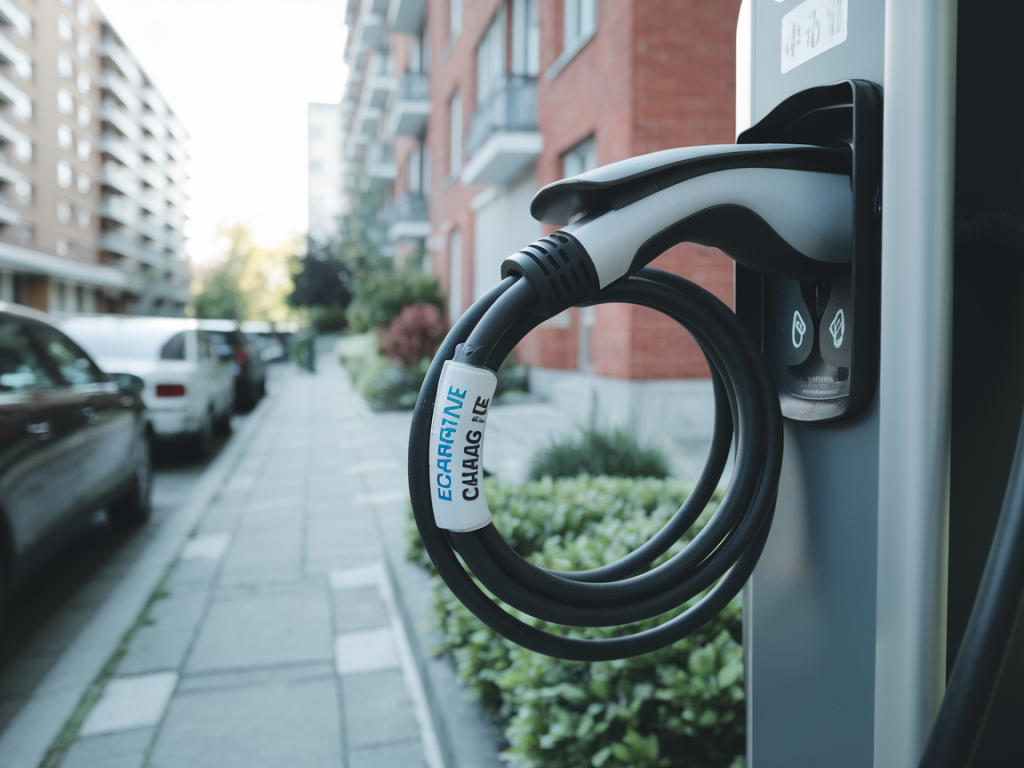
I live in an apartment and I drive an EV, so I’ve learned the hard way that picking the right charging cable and installing it safely is as much about practicality and permissions as it is about electrical specs. If you’re juggling limited parking, shared power, and a landlord who’s wary of anything that looks permanent, this guide is for you. I’ll walk through which compact charging cables work best for apartment living, the pros and cons of each approach, and step-by-step tips to install and use them safely.
Understanding the options: cable types and portable chargers
First, let’s clear up the terminology because it matters when you’re shopping. You’ll see these main options:
Mode 2 (in-cable control box) / Level 1 cable — a simple cable with a built-in control box that lets you plug into a standard 120V outlet (in North America) or equivalent low-power supply elsewhere. Slow but handy when you have no other choice.Mode 3 tethered / portable EVSE — a compact plug-in charger (Level 2) that can deliver up to 32A from a 240V outlet. These are the sweet spot for apartment dwellers who can access a dedicated 240V outlet like NEMA 14-50 or a hardwired outlet in a private space.Universal Type 2 / Type 1 charging cable — if you use public chargers frequently, a short, well-built cable lets you connect to AC public stations or some destinations that expect you to bring your cable.Tethered home chargers — wallbox-style chargers that are ideal in a private garage but often impractical for renters because they require permanent installation and usually landlord approval.In apartment living, portability and minimal installation are king. I generally recommend a compact portable Level 2 EVSE (Mode 3) that you can plug into a 240V outlet, or a high-quality Mode 2 cable as a backup if you sometimes need to rely on a standard outlet.
What to look for in a compact EV charging cable
When I shop for a cable to use in an apartment environment, I focus on a few practical attributes:
Amperage and power — a 16A–32A Level 2 portable charger gives a good balance between speed and compatibility. 32A will give roughly 6–7 kW, which is solid for overnight charging.Cable length — 4–7 meters (13–23 ft) is typically enough for apartment parking spots without lots of excess to trip over. Don’t get a cable so long it becomes a tangle hazard.Plug type — make sure it matches the outlet you can access. Common plugs are NEMA 6-20, NEMA 14-50 (North America), or a hardwired option. In Europe, a 230V single-phase Type F or a dedicated mode 3 with Type 2 is common.Portability and weight — smaller, lighter units are easier to carry between your apartment and a parking space.Durability and weatherproofing — look for IP54+ ratings if your parking is exposed to the elements. Robust strain reliefs and a sturdy carry case help too.Safety features — RCD/ground-fault protection, overcurrent protection, and thermal shutdown are non-negotiables. Many portable EVSEs include these in the unit.Locking and theft deterrence — integrated cable locks or the ability to physically secure the unit will give you peace of mind in shared parking.Brands I’ve used and generally trust for apartment-friendly portable EVSEs include Juice Booster, Bonnet, EO Mini Pro (for tethered compact boxes), and more budget-friendly options like the Lectron or Grizzl-E with the right adapter. For Mode 2 emergency cables, the OEM-supplied cable that came with the car or a reputable aftermarket unit from Schneider or Hama is fine.
Comparing common choices (quick table)
| Option | Typical power | Pros | Cons |
| Portable Level 2 EVSE (32A) | ~6–7 kW | Fast enough for overnight, portable, safety built-in | Needs 240V outlet access, heavier |
| Mode 2 (120V / slow) | ~1.2–1.9 kW | Works anywhere with a standard outlet, cheap | Very slow, can be risky on old circuits |
| Tethered wallbox | ~7–22 kW | Fast, convenient | Often not feasible for renters, needs installation |
| Short Type 2 cable (public) | Depends on charger | Useful for public stations, lightweight | Not a home charging solution alone |
Permissions and logistics in apartment buildings
Before buying anything, talk to your landlord, building manager, or HOA. Some key questions I always ask:
Can I install a 240V outlet in my assigned parking spot (if it’s private)?Is there dedicated meter access or will charging be on the building’s shared meter?Are there rules about running cables across common areas or hallways?If you can’t get a dedicated circuit, discuss cost-sharing or submeters. Many buildings now permit portable chargers if they’re not hardwired — this is where a compact plug-in Level 2 EVSE shines because it’s less invasive and easier to remove when you move.
Safe installation and use — step-by-step
Here’s how I set up a portable EVSE safely in an apartment parking spot. Modify as needed based on local electrical codes and building rules.
1. Verify outlet rating and wiring — confirm the outlet is dedicated, properly grounded, and fused at the breaker size your EVSE requires. If you don’t know, hire a licensed electrician to inspect. Never use an unknown or shared outlet.2. Choose the right adapter or plug — if your portable EVSE has a NEMA 6-20 plug but the outlet is NEMA 14-50, get a safe, code-compliant adapter or ask an electrician to change the outlet. Avoid jury-rigged adapters.3. Install residual current device (RCD)/RCBO protection — this might be built into the EVSE, but in many shared installations, an electrician will add an RCD or RCBO to the circuit for extra protection against ground faults.4. Position and secure the unit — keep the EVSE off the ground if possible (hook or small shelf). Use a cable organizer to avoid trip hazards. If you’re in a public lot, consider a small lockbox or cable lock to deter theft.5. Weatherproofing — if outdoors, ensure the unit’s IP rating is suitable. Elevate connectors slightly and avoid leaving the control box on wet ground.6. Use the right charging schedule — configure timed charging to avoid peak building demand if you’re on a shared meter, and to match off-peak rates.7. Avoid extension cords — never use standard extension cords or DIY solutions. If you must extend, get a professional-installed, outdoor-rated extension with suitable amperage rating — but the right approach is to move the outlet closer or use a shorter cable.8. Test and monitor — after setup, test a full charging session and monitor for tripped breakers, unusual heat at the plug, or RCD trips. If anything looks wrong, stop and call an electrician.Theft, vandalism and neighbor etiquette
In communal parking, theft and cords across walkways are real concerns. I lock my charging cable to the car when possible and keep the unit in a discreet, padded carry bag when not in use. Communicate with neighbors: a short note explaining your cable route and asking them to avoid the area goes a long way. Also check building rules about running cables across aisles — you might need protective cable ramps for safety and liability reasons.
When to call a pro
If you want a dedicated 240V circuit installed, plan to hardwire a charger, or need submeters for billing, hire a licensed electrician and involve building management. That keeps the installation code-compliant and reduces future disputes. I always budget for a professional for the electrical work — it’s not worth a shortcut when you and your neighbors’ safety is on the line.
If you want, tell me where you live (country) and the parking situation (private spot, street parking, shared garage), and I’ll recommend specific portable EVSE models and outlet types that match your circumstances. I’ve helped several renters get a practical, safe setup without turning their apartment into a construction zone.