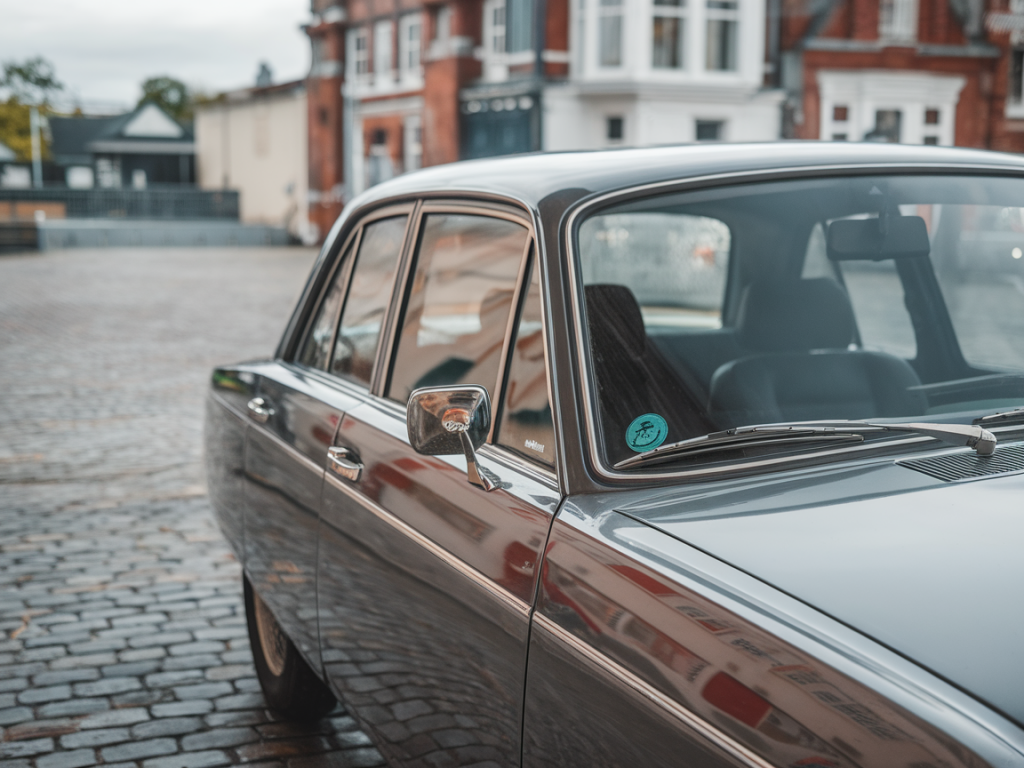
Selling a car privately is as much about perception as it is about facts. Over the years I’ve flipped a few of my own cars and helped friends get more at sale time by focusing on small, targeted fixes that buyers notice — and are willing to pay for. You don’t need to spend a fortune or rebuild an engine to increase your car’s resale value. A handful of high-impact, low-cost improvements often move the needle more than a big, flashy upgrade.
Why small fixes matter
Buyers looking at private sales make quick judgments. First impressions form in seconds: pictures, paint condition, interior smell and obvious wear. Those first impressions set expectations for everything else — from mechanical condition to how honestly you’ve maintained the car. Small fixes address those visual and tactile cues and reduce buyer anxiety. They also give you leverage in negotiation: a well-presented car signals lower immediate ownership cost, which justifies a higher asking price.
Quick checklist before listing
Clean, detailed interior (vacuum, shampoo, odor removal)Fix or replace small trim pieces and missing badgesChange bulbs for all exterior lightsTop up and change essential fluids if due (oil, coolant, brake fluid)Replace wipers and correct windshield chipsGet a simple service or inspection report to show buyersInterior fixes that punch above their weight
I always start inside. A buyer will spend time in the driver’s seat, open the glovebox, and run their hands along the steering wheel. The senses — sight, smell, touch — are all triggered there.
Deep clean and deodorize: I use a two-step approach. First vacuum and clean crevices (a shop vac with a narrow nozzle works wonders). Then shampoo fabric or use leather cleaner/conditioner. For strong odors (smoke, pets), an ozone treatment at a local detailer or an enzyme-based cleaner can be transformative.Repair upholstery and trim: Small tears, loose panels, or missing knobs are easy fixes. A seat repair kit or a trim adhesive from brands like 3M can make plastics and vinyl look presentable. Replacing missing buttons and knobs (search eBay or local salvage yards) is cheap and impressive.Replace floor mats: A new set of mats for $30–$80 instantly freshens the cabin. For higher-end cars, go OEM-style or reputable aftermarket options from WeatherTech.Fix dashboard cracks and sun damage: Minor dashboard cracks can be filled and blended with a dash repair kit. If the dash is beyond simple repair, a professional refurb can be worth it in higher-value cars.Exterior fixes that buyers notice first
The exterior is the thumbnail image of your listing. Spend time here — it’s where you get the most value per dollar.
Paint correction: You don’t need a full respray. A professional or DIY compound/polish session removes swirl marks and light scratches, restoring gloss. Products from Meguiar’s or Chemical Guys work well on most finishes.Touch-up paint: For chips and deeper scratches, use touch-up paint matched to your car’s color code. Small, well-done touch-ups eliminate the impression of neglect.Replace headlights and taillights: Cloudy, yellowed headlights age a car visually. A restoration kit can clear them, or a cheap replacement lens restores a fresh look.Correct dents: Small door dings can be removed cheaply with paintless dent repair (PDR) services. PDR often costs a fraction of a repaint and preserves factory finish.Tires and rims: If tire tread is low, put on a fresh set or at least a matched pair at the very least. Clean alloy wheels, and replace center caps or hubcaps that are missing. Buyers equate new-looking tires with safer immediate ownership.Mechanical and safety items to prioritize
Mechanical fixes can be costly, but some small investments reduce worries and inspections flags.
Address dashboard warning lights: Even a single check-engine light scares private buyers. A diagnostic code read is cheap (some parts stores do this free) and many issues are minor sensor replacements or vacuum leaks that cost little.Brake basics: Ensure pads have reasonable life left and that rotors aren’t excessively scored. Replacing pads is relatively inexpensive and goes a long way for buyers focused on near-term maintenance costs.Simple fluid services: Fresh oil, topped-up coolant and clean brake fluid give an impression of regular care. They also reduce the chance a buyer will request a steep discount for perceived deferred maintenance.Replace worn wipers and repair chips: New wipers and a repaired windshield chip look low-cost but increase buyer confidence about safety and care.Documentation, inspection and photos
Good paperwork builds trust. I always gather as much as I can before listing.
Service records: A folder with receipts for oil changes, brake jobs, tires and any repairs tells the ownership story. Even a couple of items dated and stamped by shops help.Recent inspection or MOT/emissions: A fresh inspection (if applicable in your area) or a basic mechanic’s checklist report is powerful leverage. Buyers are more willing to meet your price when they don’t expect surprise costs.Accurate, high-quality photos: Take photos in soft daylight, show all sides, close-ups of wear areas, VIN, service stickers, and the odometer. Clean backgrounds and a consistent set of shots improve click-through and perceived value.Price vs. typical uplift — practical table
| Fix | Typical cost (€) | Expected resale uplift (%) | Why it helps |
| Deep interior clean + odor removal | 30–150 | 2–6 | Makes cabin feel newer and hides neglect |
| Touch-up paint & small dent repair | 50–300 | 3–8 | Improves visual appeal; reduces bargaining points |
| Headlight restoration | 20–100 | 1–4 | Freshens front-end appearance |
| New tires (pair) or mats | 80–300 | 2–5 | Signals immediate roadworthiness |
| Minor service / oil change | 40–120 | 2–6 | Reduces buyer's perceived near-term costs |
Presentation and negotiation tips
When you list, be honest but strategic. Disclose major past damage or mechanical history, but show proactive fixes: "Brake pads replaced at 120k km" reads better than silence. Price slightly above your lowest acceptable number to leave room for negotiation, and use documented repairs and a recent inspection to justify your asking price. Finally, be ready to demonstrate the vehicle: offer a short test drive and point out the replaced items and fresh service — showing is often more convincing than telling.
Small, deliberate investments deliver the best ROI when selling privately. Tackle the things buyers literally see and touch first, back those improvements up with documentation, and present your car confidently. It’s amazing how a tidy, well-maintained impression shortens the time on market and increases final sale price.