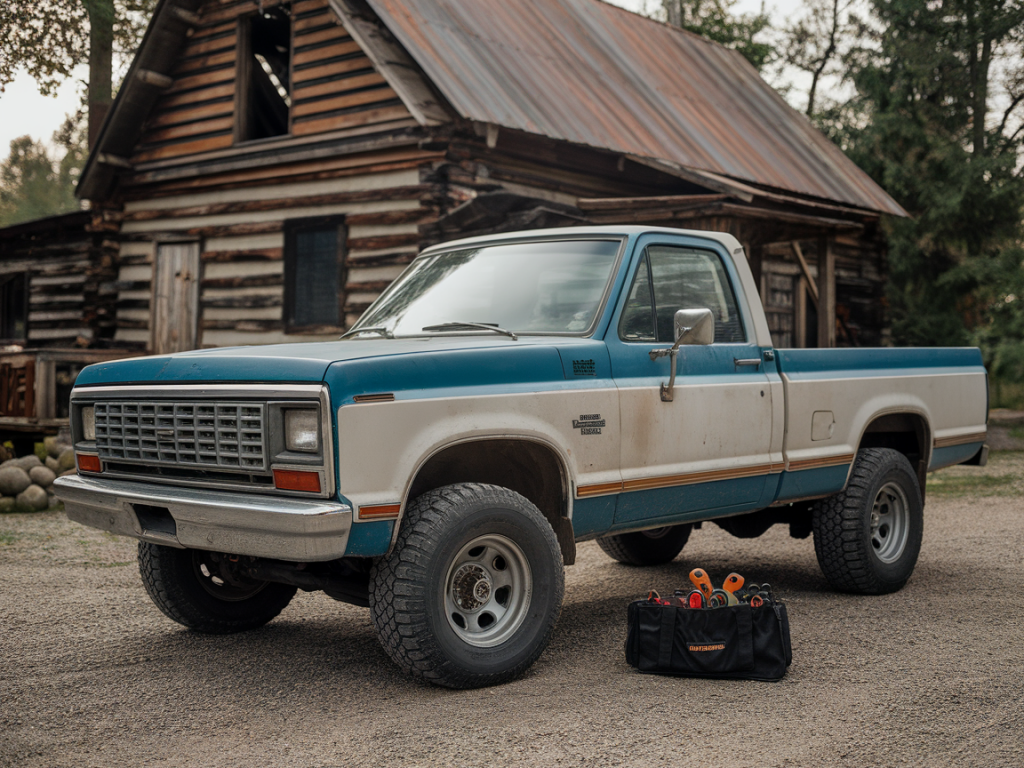
I’ve taken older diesel pickups on long trips enough times to know that a weekend tow or a half-day roadside repair is far more likely when you leave the basics unchecked. Preparing an older diesel for a long haul is part mechanical, part common sense, and part planning for things that are out of our control — weather, fuel quality, and the inevitable little surprises that come with age. Below is my practical, hands-on checklist that I use before any multi-day, multi-state run. Treat it as a living list: adapt it to your truck, the route, and how comfortable you are under the hood.
Why diesel pickups need special attention
Diesel engines are tough, fuel-efficient, and often long-lived, but older examples carry age-related risks: fuel system contamination, injection issues, weak glow plugs, and heavier wear on driveline components. Diesel fuel behaves differently in cold weather (gelling) and is more sensitive to water and microbial growth in the tank. Older pickups also tend to have higher mileage, which means suspension, brakes, and cooling systems deserve particular scrutiny.
Pre-trip service priorities
I recommend doing these checks at least a week before your trip so you have time to order parts or schedule a shop visit if something needs attention.
- Fluids: Change engine oil and filter if you’re near the interval. Diesel engines tolerate clean oil; dirty oil accelerates wear. Replace the fuel filter and water separator element—these are inexpensive insurance. Check coolant (level and freeze protection) and top up with the correct mix for your truck.
- Fuel system: Drain the water from the fuel filter/water separator. If you’ve got a history of poor fuel quality or the truck sat for months, consider adding a diesel fuel biocide and water remover product like Stanadyne or PRI for safety. Carry a small spare fuel filter if possible.
- Glow plugs and intake heater: Test glow plugs or replace any that are weak. Cold starts are a major source of stress, especially on older diesels, and failing plugs can lead to rough idling and hard starts.
- Cooling system: Inspect hoses for soft spots, bulges, and leaks. Check the radiator and intercooler for debris and clean as needed. If your coolant hasn’t been changed within the recommended interval, consider a flush. Overheating on a long climb will ruin a trip faster than anything else.
- Belts and tensioners: Check accessory belts for cracks, glazing, and proper tension. If your truck uses a timing belt and it’s near replacement mileage or age, don’t delay — failure equals catastrophic repairs.
- Battery & charging: Test battery health and the alternator output. Older diesels draw a lot of cranking current in cold weather; a marginal battery can strand you. Keep battery terminals clean and tight.
- Brakes & tires: Inspect pads and rotors for remaining life; check brake fluid level and condition. Examine tires for tread depth, uneven wear, and sidewall damage. Don’t forget the spare and the jack—practice mounting the spare if you’ve not done it recently.
- Driveline & suspension: Check U-joints, CV joints, and driveshaft for play and noise. Inspect shocks, leaf springs, bushings, and mounting points. Excessive play in these areas reduces control and increases wear on other components.
Inspection checklist I use before any long trip
| Item | What I look for | Action if problem |
|---|---|---|
| Engine oil | Level, smell (fuel dilution), colour | Top up or change; investigate fuel dilution |
| Fuel filter | Clean water drain, last change date | Replace filter and drain separator |
| Coolant | Level, concentration, leaks | Top up, pressure test, coolant flush if old |
| Belts & hoses | Cracks, soft spots, tension | Replace cracked belts/hoses |
| Battery | Voltage, corrosion | Charge or replace; clean terminals |
| Tires | Tread, pressure, sidewall cuts | Rotate/replace; set pressure for load |
Practical items I always pack
Beyond tools and spare parts, I bring items that get me moving quickly and safely when things go sideways.
- Basic tool kit: Ratchet set, sockets, pliers, adjustable wrench, screwdrivers, and a torque wrench if you’re comfortable using it.
- Spare filters: At minimum a fuel filter and an oil filter—brand matters less than correct spec and fit. I usually carry OEM or reputable aftermarket like Mann or Bosch replacements.
- Fluids: A quart of engine oil, a liter of coolant, and a small canister of diesel fuel additive/biocide.
- Electrical items: Jumper cables or a compact jump starter, LED flashlight or headlamp, and some heat-shrink connectors and electrical tape.
- Tire tools: Proper jack, lug wrench, and a portable air compressor plus a can of tire sealant for temporary repairs.
- Recovery kit if off-road or remote: Tow straps, D-shackles, a shovel, and gloves.
- Safety and comfort: Warm clothes, water, snacks, a basic first-aid kit, and a paper map in case GPS or cell service fails.
Fuel considerations and route planning
On long trips, fuel quality is a reality check. Older diesel trucks are less tolerant of contaminated or poor-quality diesel. I plan fuel stops at major chains when possible (Shell, BP, Exxon) and avoid small, remote stations if I don’t know the history. If you’ll be crossing regions with cold temps, use the correct winterized diesel or an anti-gel additive. For remote routes, mark fuel stops and carry an approvedJerry can if necessary — but remember: transport and storage rules exist for a reason. Keep the tank at least half full in remote areas to reduce condensation and contamination risk.
What to watch for while driving
Even a well-prepped truck can signal trouble. Pay attention to:
- Temperature gauge: A creeping needle is an early warning. Pull over before the truck overheats to avoid head gasket or worse.
- Unusual smells: A sweet smell can be coolant; burnt oil or clutch smells are cues to stop and check.
- Smoke patterns: A puff of black smoke under acceleration could mean a fuel delivery issue; consistent white smoke on cold start is normal but persistent white smoke can indicate coolant burning.
- Noise and vibration: New knocks, clicking, or vibration deserve immediate attention — especially driveline noises.
When to call a pro
There’s a line between roadside fixes and professional repairs. Call a shop if you have persistent overheating, fuel pressure issues, major oil consumption, significant smoke that doesn’t clear, or drivetrain noises that affect handling. I’ll often fix minor hose leaks, change filters, and manage tire repairs myself, but anything that compromises the engine internals or braking system goes to a qualified mechanic.
I prefer leaving on a trip knowing I did everything reasonable to prevent trouble and packed for the things I can handle myself. Older diesel pickups reward that preparation with reliability and range, and a little preventative attention saves a lot of headaches down the road.