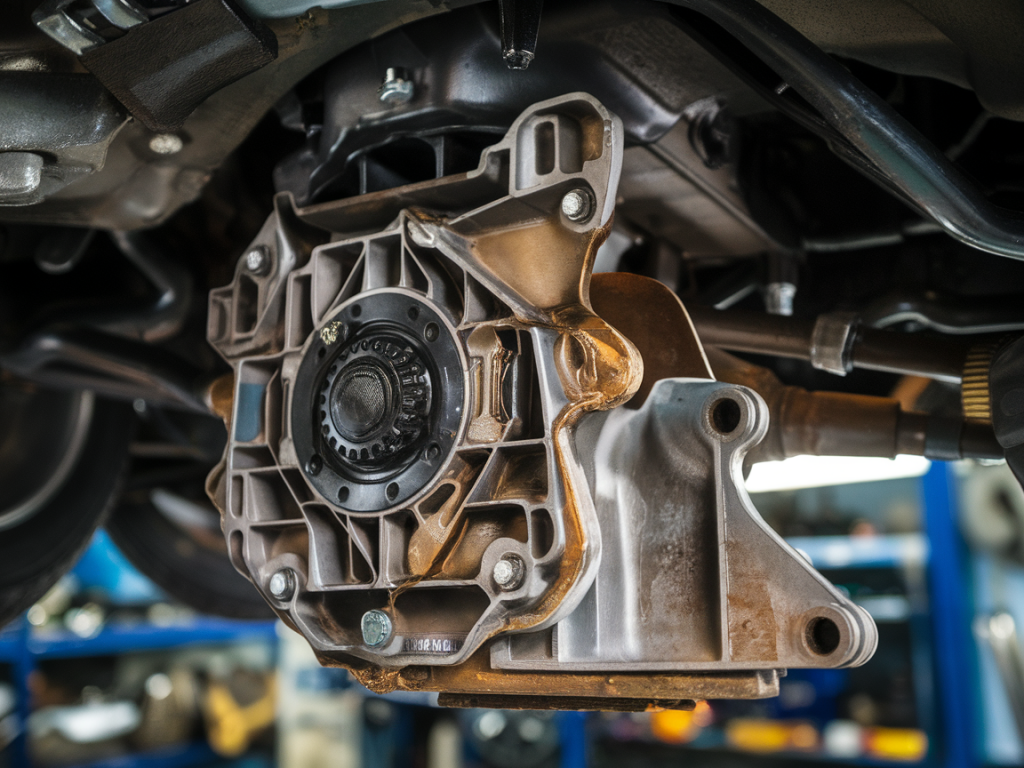
I’ve spent years wrenching on cars in my garage and coordinating repairs with shops, and one thing keeps coming up: drivers often do small, daily things that quietly shorten the life of an automatic transmission. Unlike engines, which often give loud warning signs, a transmission can degrade slowly until the bill becomes painful. Here’s a hands-on look at the habits I see most, the damage they cause, and practical steps you can take to avoid premature failure.
Habit: Riding the brake while stopped in Drive
It seems harmless — you’re just feathering the brake to stay put at a light or on a hill. The truth is this habit puts continuous load on the torque converter and keeps hydraulic pressure building in the valve body. Over time this increases heat and wears clutch packs and seals.
How I avoid it: I shift to Neutral if I expect to be stopped for more than 10–15 seconds (and always use the parking brake on steep inclines). On modern cars with auto-hold features, I let the feature do the holding instead of sitting in Drive with my foot on the brake.
Habit: Aggressive launches and stomping the accelerator
Launching aggressively — whether you’re merging onto the highway or trying to leave a parking space quickly — multiplies stress on the transmission. Fast starts heat the fluid, slam clutches, and can cause hard wear on bands and planetary gears, especially on older automatics.
Prevention tip: Use smooth throttle inputs. If you want quicker takeoffs, consider upgrading to a performance-oriented transmission cooler or using drive modes (like Sport) responsibly. For towing or carrying heavy loads, use the correct gear or tow/haul mode to reduce strain.
Habit: Using the parking gear as a parking brake
Putting the car in Park and relying entirely on the pawl to hold the car on a slope is risky. The parking pawl is not designed to repeatedly hold a vehicle’s full weight on an incline — that’s what the mechanical parking brake is for.
How I do it: I always set the parking brake before shifting into Park on a slope. It takes a second and prevents the pawl from taking unnecessary shear loads that can chip it or deform components inside the transmission.
Habit: Skipping fluid checks and using the wrong fluid
Transmission fluid is the lifeblood of an automatic: it cools, lubricates, transmits hydraulic pressure, and conditions friction materials. I’ve seen cars with dark, burnt fluid that smells like varnish — a sign of overheating and degraded friction. Using the wrong fluid or neglecting fluid replacement speeds wear and fouling of the valve body and clutches.
Practical steps:
- Check the owner’s manual for the correct ATF specification (e.g., Dexron, Mercon, or manufacturer-specific fluids like Toyota WS).
- Inspect fluid color and smell during regular maintenance: healthy fluid is bright red or amber and has a neutral smell.
- Follow service intervals for fluid and filter change — for many cars this is 60,000–100,000 miles, but some CVT or dual-clutch transmissions have different schedules.
- When in doubt, have a shop perform a proper flush and filter change rather than topping up with a mismatched fluid.
Habit: Overheating — short trips, heavy loads, and poor cooling
Heat is the single most destructive force for transmission life. Repeated short trips that don’t allow the transmission to reach optimal operating temperature, combined with heavy towing or stop-and-go traffic, can create chronic overheating. I’ve added aftermarket coolers for customers who tow regularly — it’s a small investment that pays off.
Prevention and upgrades:
- Install an auxiliary transmission cooler if you tow, haul, or drive in hot climates.
- Avoid towing beyond your vehicle’s rating. Check the owner’s manual for max tongue weight and GVWR limits.
- During long uphill grades, downshift or use the vehicle’s tow mode instead of relying on the brakes, which helps prevent prolonged high-temp operation.
Habit: Ignoring early symptoms
Automatic transmissions often send subtle early warnings: delayed engagement, slipping between gears, odd whining or clunking noises, or a burning smell. I see drivers ignore these until the problem becomes catastrophic.
If you notice any of the following, act fast:
- Delayed engagement when shifting from Park to Drive or Reverse
- Shuddering at a steady speed (often 30–50 mph)
- Hard or erratic shifts, slipping, or sudden gear changes
- Transmission fluid that’s dark brown/black or smells burnt
Early diagnostics can save thousands. A proper scan for transmission fault codes and a fluid inspection are inexpensive first steps that can prevent a rebuild.
Habit: DIY mistakes — improper flushes and improper filter replacement
I’m all for DIY maintenance, but transmission servicing has traps. Doing a pressure flush with a machine without changing the torque converter’s trapped fluid can leave sludgy fluid behind, while a simple pan drop without replacing the filter on certain models misses contaminants lodged deeper in the system.
How I approach DIY transmission service:
- Follow the manufacturer’s procedure: some call for a pan drop and refill, others recommend a full flush.
- Replace the filter and gasket when applicable, and use the correct fluid volume and type.
- If you’re unsure, get a shop you trust to perform the service and show you the old fluid and filter — it’s a great learning moment.
Common myths that cause harm
There are a few persistent myths that I regularly debunk with readers and customers:
- “I can use any automatic fluid as long as it’s red.” — Not true. Fluid formulations are different; wrong fluid can harm friction materials and valves.
- “My transmission is maintenance-free.” — Some more modern transmissions have long intervals, but 'maintenance-free' isn’t the same as 'never check.'
- “If it’s slipping, I’ll just add fluid.” — Overfilling can be as bad as underfilling. Diagnosis is essential.
Quick checklist: daily and periodic habits to protect your transmission
Here’s a practical checklist I follow and recommend to readers:
- Use the parking brake every time you park on an incline.
- Avoid prolonged idling in Drive with your foot on the brake.
- Shift smoothly and avoid aggressive launches.
- Check fluid level and condition annually or at oil change intervals.
- Install an auxiliary cooler if you tow or frequently operate in hot conditions.
- Heed early symptoms and get a diagnostic scan if something feels off.
| Service | Typical interval | Why it matters |
| Fluid & filter change | 60,000–100,000 miles (varies) | Replaces degraded fluid, removes contaminants, extends clutch life |
| Transmission cooler | Install if towing or heavy use | Reduces operating temperature and prevents overheating |
| Diagnostic scan | At first sign of odd behavior | Early detection of solenoid or sensor issues |
Transmission longevity doesn’t require miracle fixes — it comes down to habits. Small daily choices add up. Be intentional about how you drive, how you park, and how you service your vehicle. I’ve turned those habits into routine checks that keep my cars shifting smoothly and my repair bills reasonable. When in doubt, get a professional diagnosis: catching problems early is almost always cheaper than fixing them after they cascade into major failure.